
EST. 1886
A House with Nine Lives
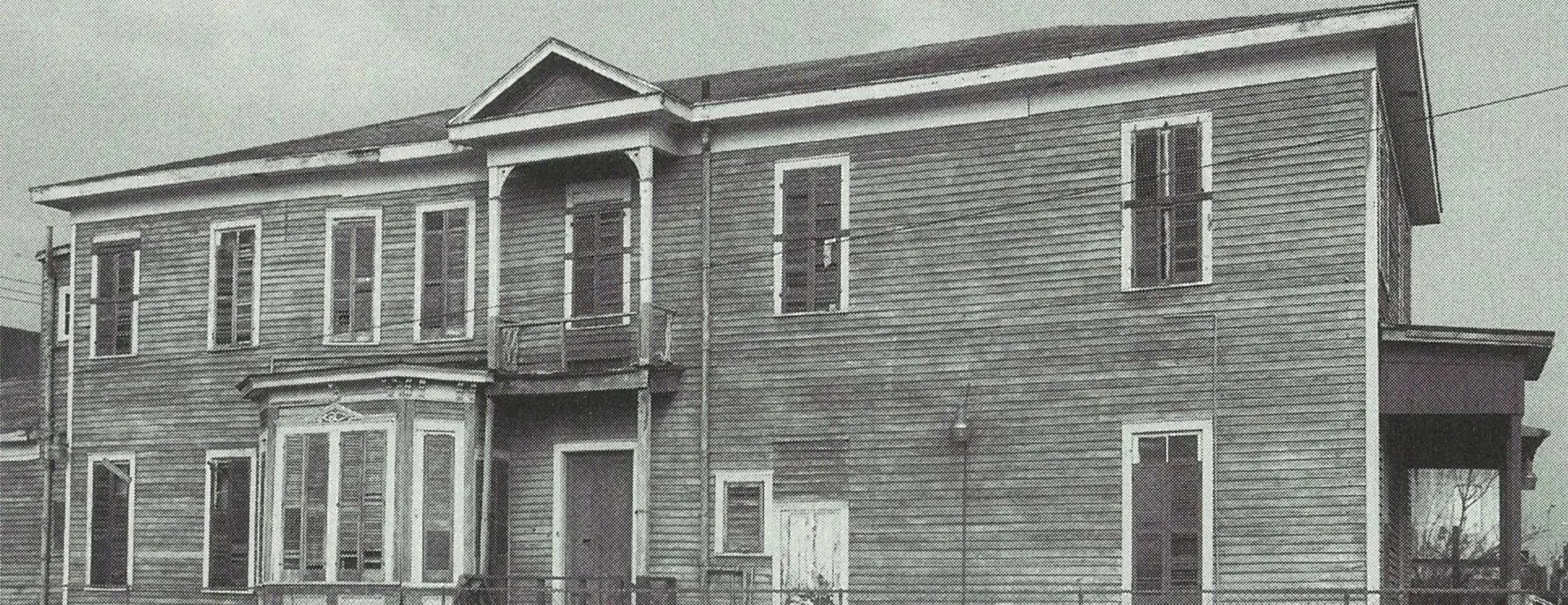
23rd Galveston Historic Homes Tour. The Galveston Historical Foundation, 1997. Courtesy of the Galveston & Texas History Center, Rosenberg Library, F 394 .G2H G2 1997. Page 6.
More Than a Historic Home
Originally built in 1886, the Mollie Walters House has played a remarkable role in Galveston's history. From the city's infamous red-light district, to one of the island's most recognizable Victorian structures, to a painstaking restoration that saved the building from collapse, the house has continuously reinvented itself for nearly 140 years.

The Line: Galveston's Infamous Postoffice Street
In the late 1800s and early 1900s, Postoffice Street was the center of Galveston's famous red-light district, known locally as "The Line." At its peak, the district attracted sailors, businessmen, politicians, and visitors from across the Gulf Coast. By the 1880s, the area was lined with brightly lit bordellos, becoming one of the most well-known districts of its kind in Texas.
The house at 2528 Postoffice Street became one of the last surviving buildings of that era. Historic records identify it as one of the most significant surviving properties associated with Galveston's Postoffice Street district. The house later became known as Mother Harvey's, one of the district's most famous establishments.
Historical Source:
Jan Johnson, Second in a Series: Galveston in the Good Old Days – Infamous Postoffice Street
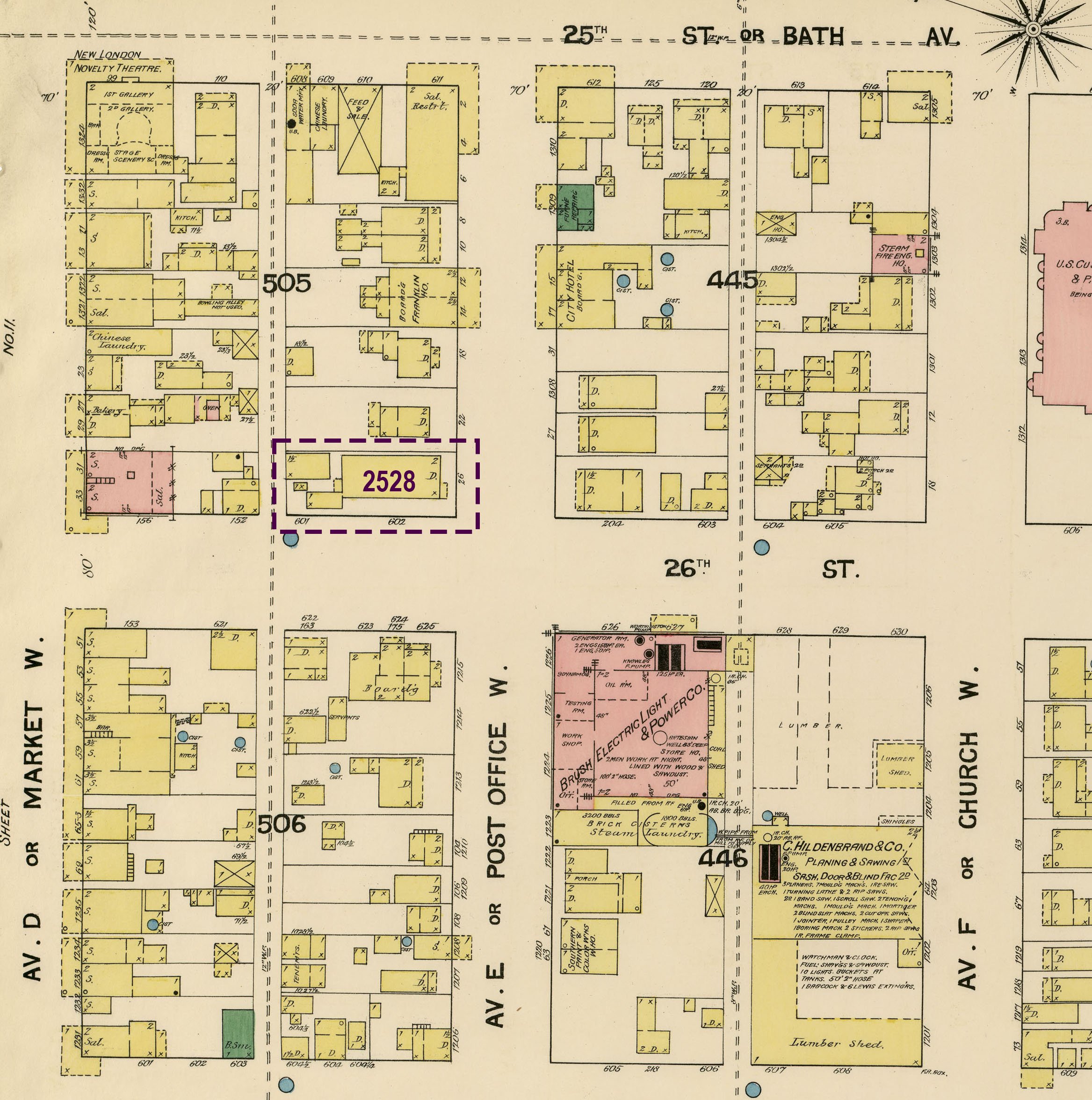
TXU Sanborn Galveston 1889
The Legacy of Madame Mollie Walters
The story of the house begins with Mollie Walters, who arrived in Galveston from New Orleans shortly after the Civil War. While women in the 1800s had limited economic opportunities, Mollie built a successful business and became a significant real estate owner during Galveston's boom years.
In 1886, she constructed the impressive two-story Victorian building that still stands today. Historical accounts describe Mollie as ambitious, independent, and financially successful, owning multiple properties and operating businesses at a time when few women controlled significant real estate holdings.
While the house's connection to Galveston's red-light district is part of its story, Mollie's legacy extends beyond that history. She was a businesswoman, entrepreneur, and property owner whose influence can still be seen in one of the island's most recognizable historic homes.
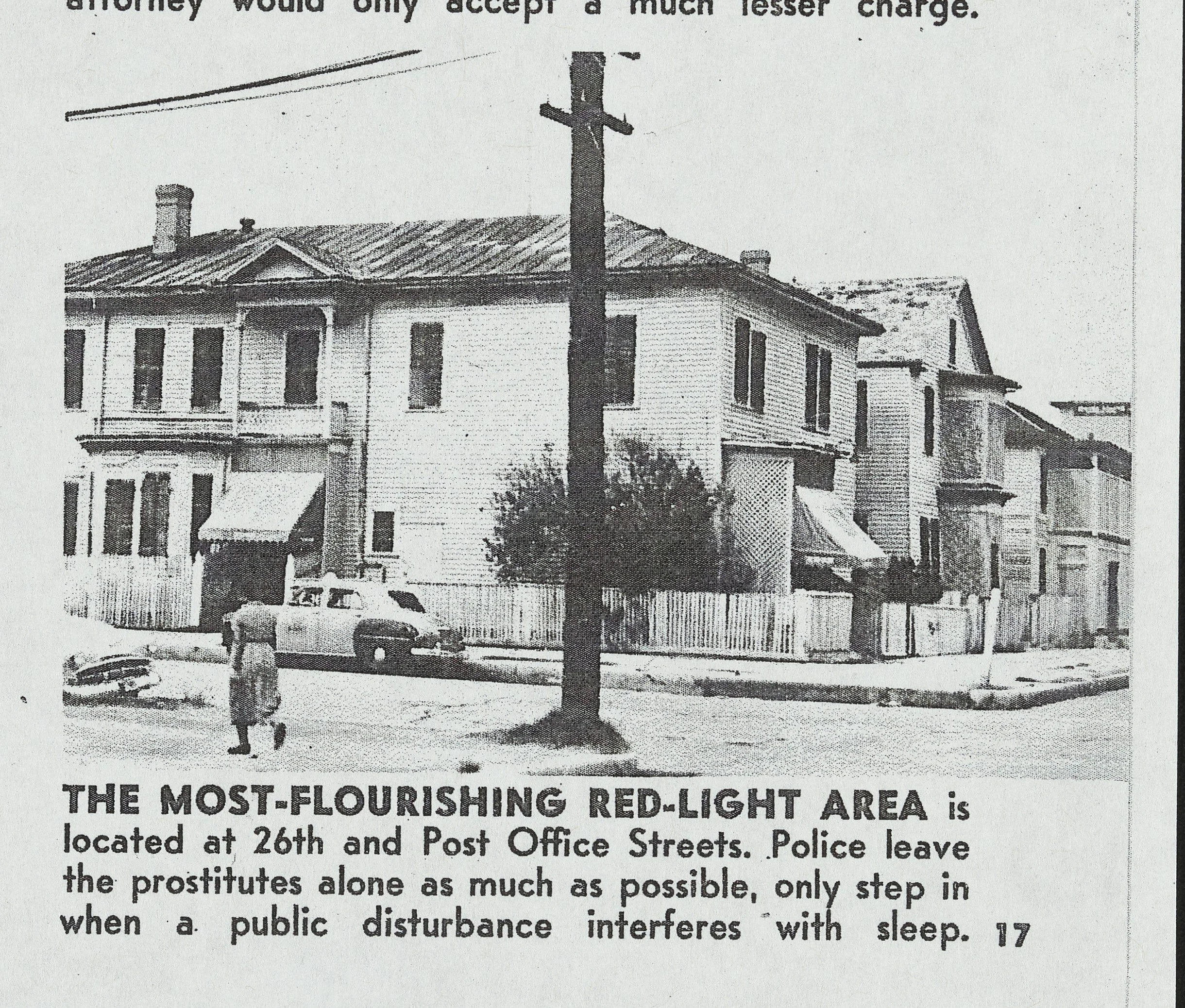
Heller, Mike. Galveston Open City of Sin. Eye magazine, January 1952. Courtesy of the Galveston
Saving a Galveston Landmark
For decades, the Mollie Walters House endured a period of steady decline. The property suffered from years of neglect, deferred maintenance, termite damage, and deterioration. By the time the new owners acquired the home, portions of the structure were failing, the rear addition had been severely damaged by fire, and the future of the building was uncertain.
Rather than allowing the building to continue deteriorating, the new owners undertook a comprehensive restoration effort focused on retaining as much of the original structure and character as possible while adapting the home for modern living.
The rehabilitation included:
Restoration of all historic wood windows throughout the house
Designation of the property as a City of Galveston Landmark following rehabilitation
Extensive foundation repairs, including new footings and replacement of termite damaged perimeter beams
Removal and careful reinstallation of the original wood floors after structural repairs were completed
A new roof, insulation, electrical system, plumbing system, and HVAC system throughout the house
Restoration of nearly all original walls, maintaining the home's historic layout and long central hallways
Restoration of original woodwork, windows, antique door hardware, hinges, latches, and strike plates
Retention of the home's original room arrangement, including the front parlors and the former madam's suite
Reconstruction of a long missing bay window using historic photographs and original documentation
Implementation of flood resilient materials and wet floodproofing strategies on the first floor
Addition of modern bathrooms while respecting the building's historic character
The kitchen was reimagined with inspiration from Victorian precedents while incorporating modern functionality for contemporary use. The original rear addition, which had been severely damaged by fire and was beyond repair, was removed. Lumber salvaged from the structure was reused during foundation repairs.
Throughout the restoration, special attention was given to the building's architectural integrity and unique story. A sculptural interpretation was introduced at the staircase in recognition of a historic newel post light documented in period photographs.
Today, the Mollie Walters House stands as one of Galveston's most important surviving links to the history of Postoffice Street and the city's Victorian era.
Perhaps most importantly, the house was not protected by local landmark status when the new owners acquired it. Although one of Galveston's most significant surviving Victorian homes, it remained vulnerable to demolition. Following its restoration, the property was formally designated as a local landmark, ensuring that this important piece of Galveston's history will be protected and preserved for generations to come.
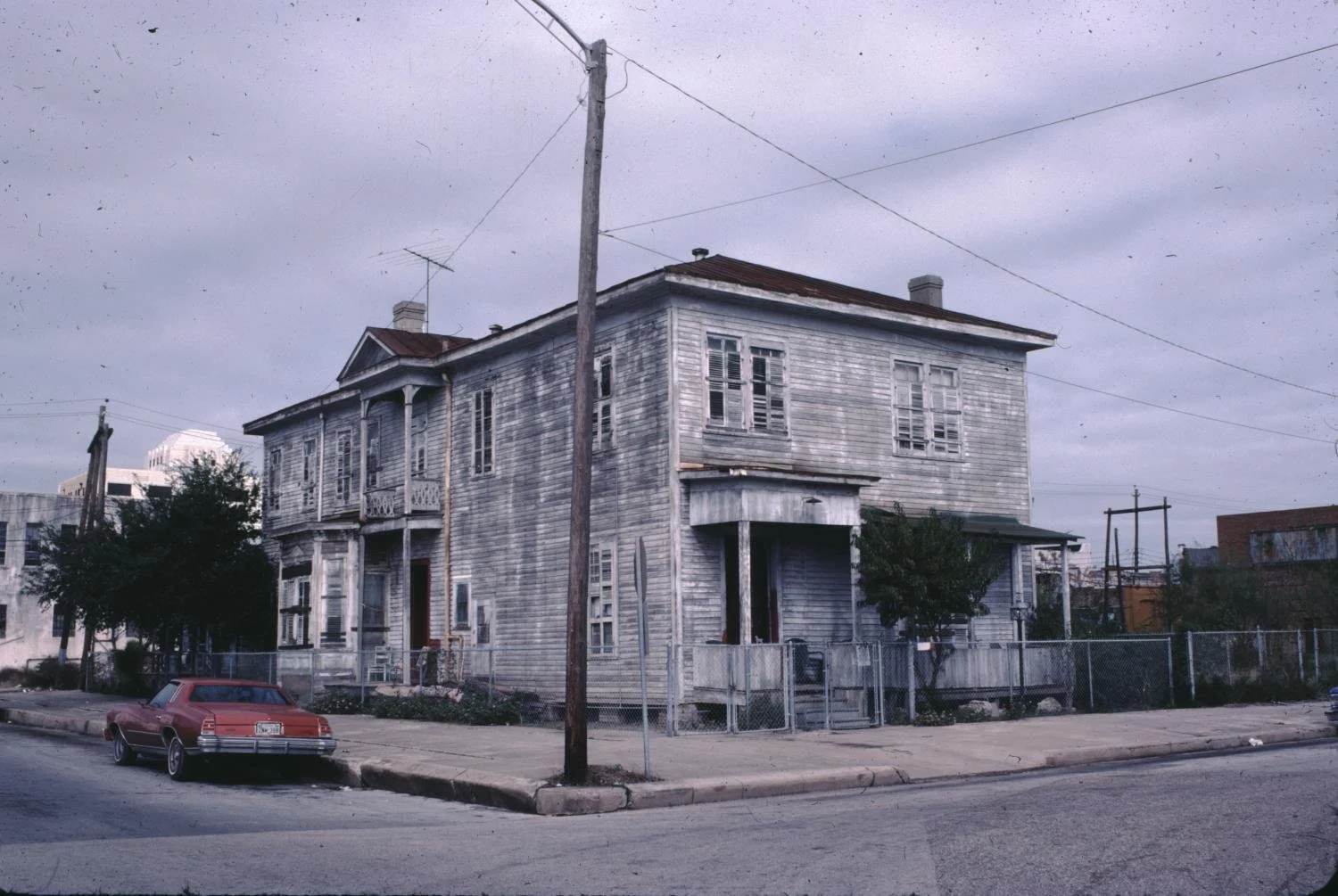
Courtesy of Galveston Historical Foundation
See The Transformation
Explore the remarkable restoration of the Mollie Walters House through a collection of before and after images documenting its journey from decades of decline to one of Galveston's most distinctive historic homes.
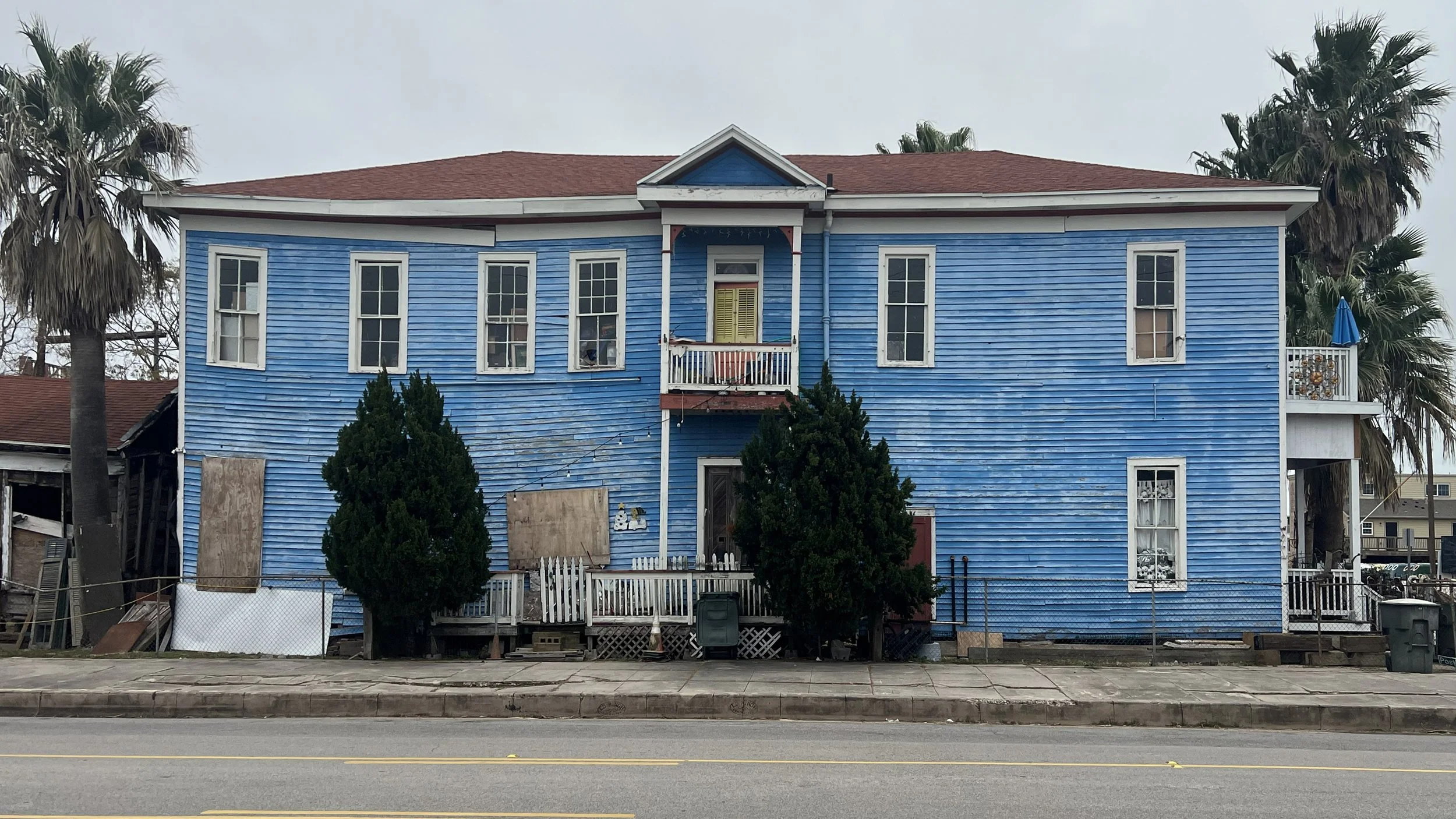
Before
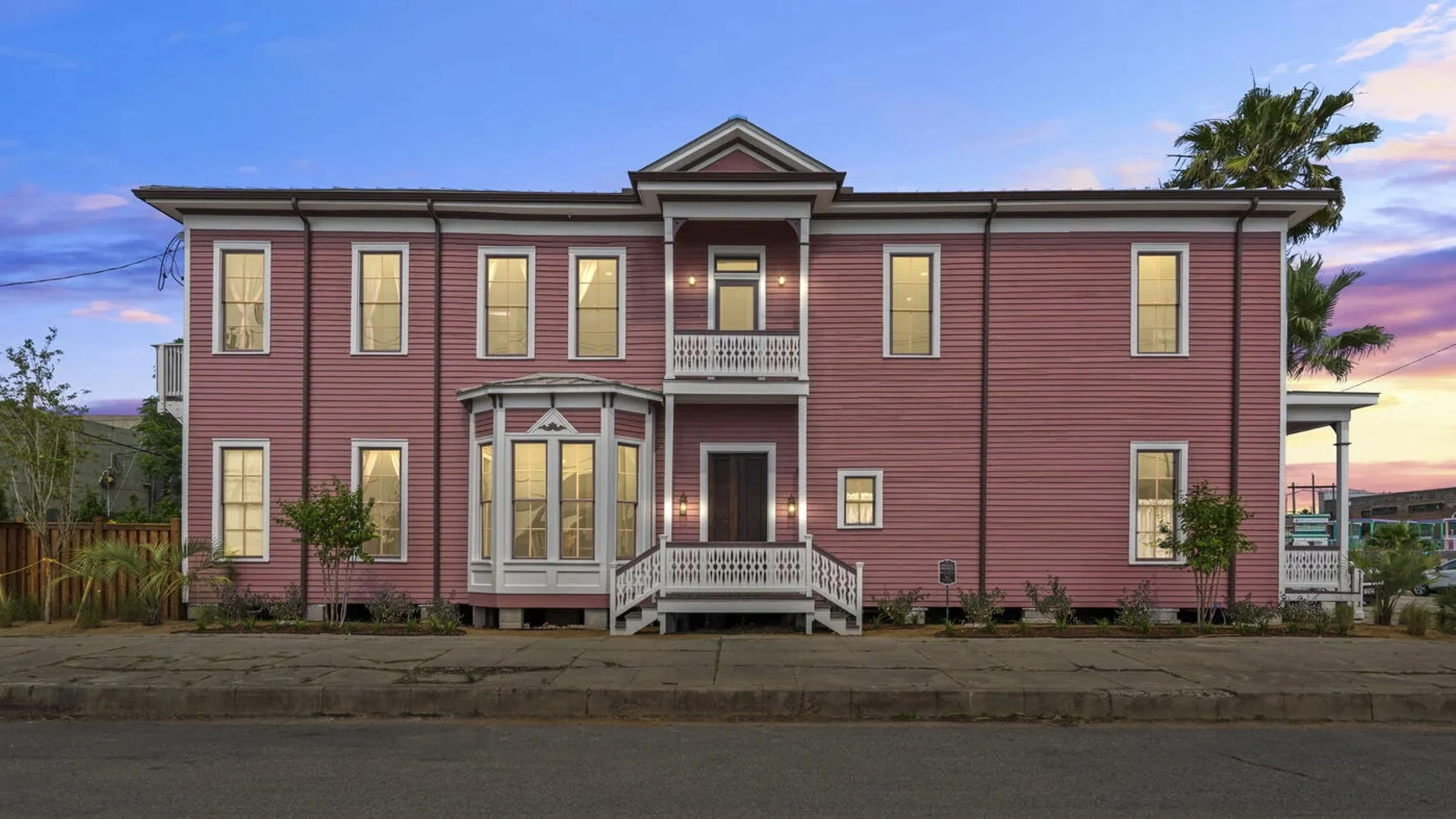
After
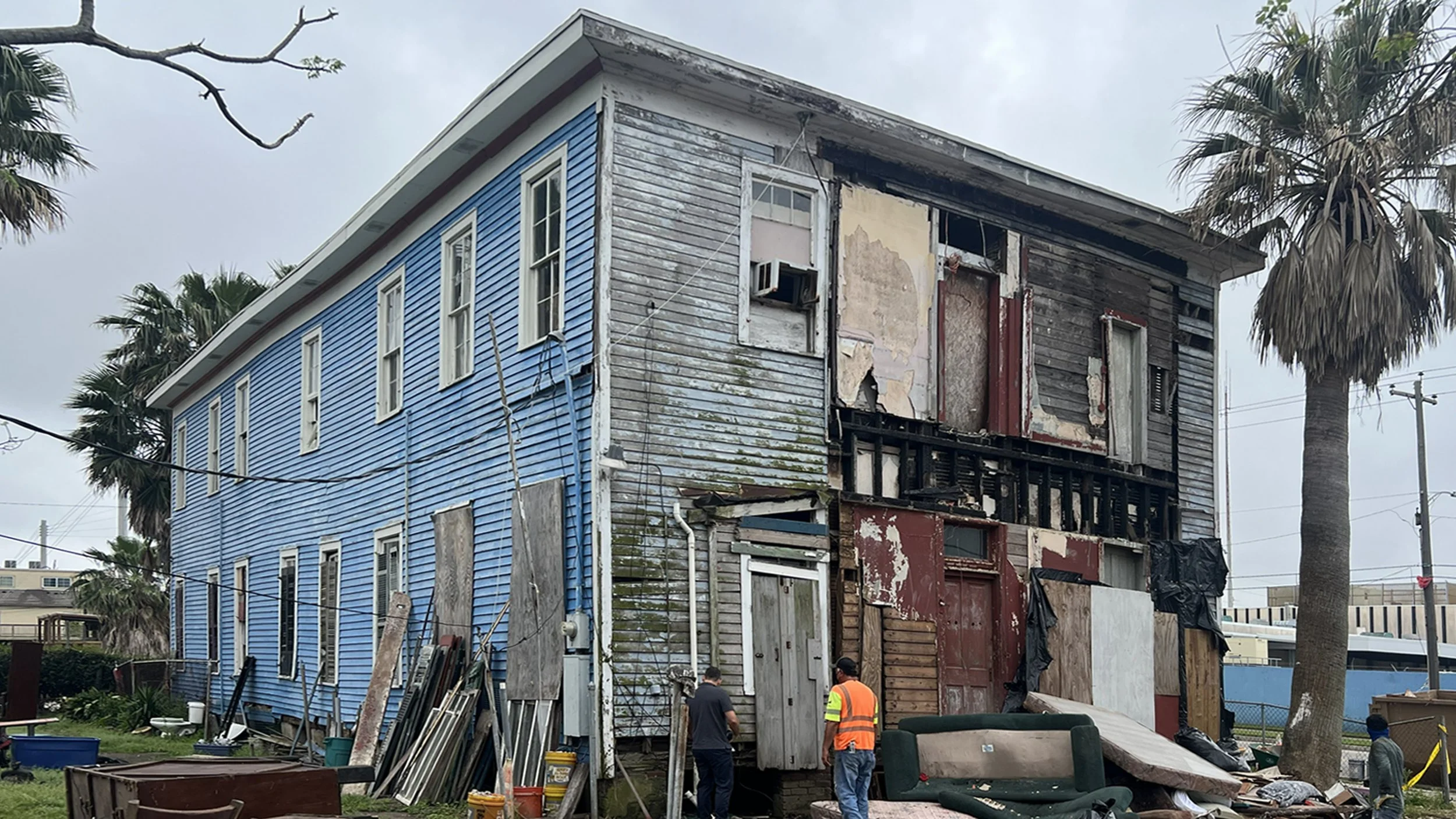
Before
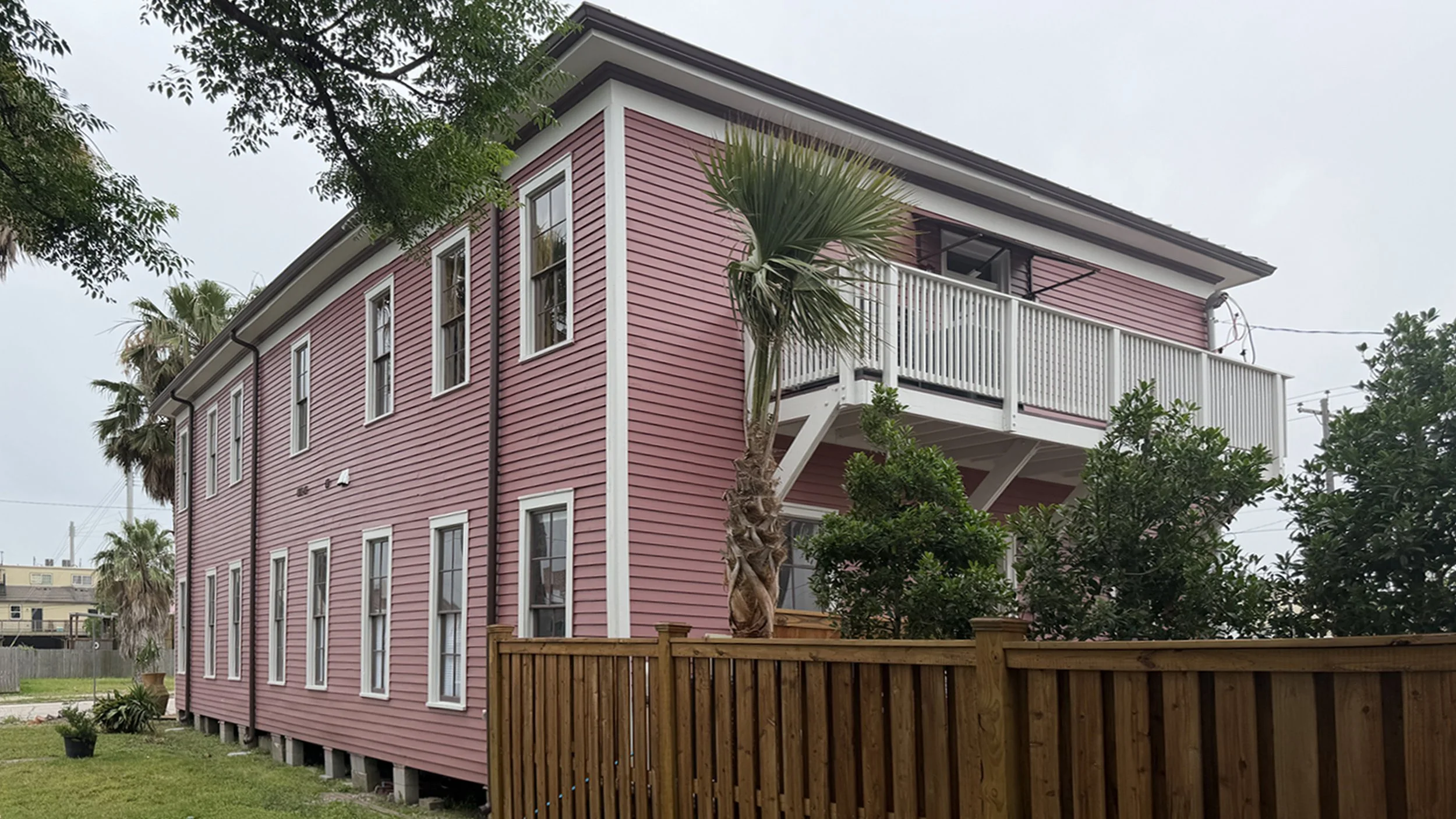
After
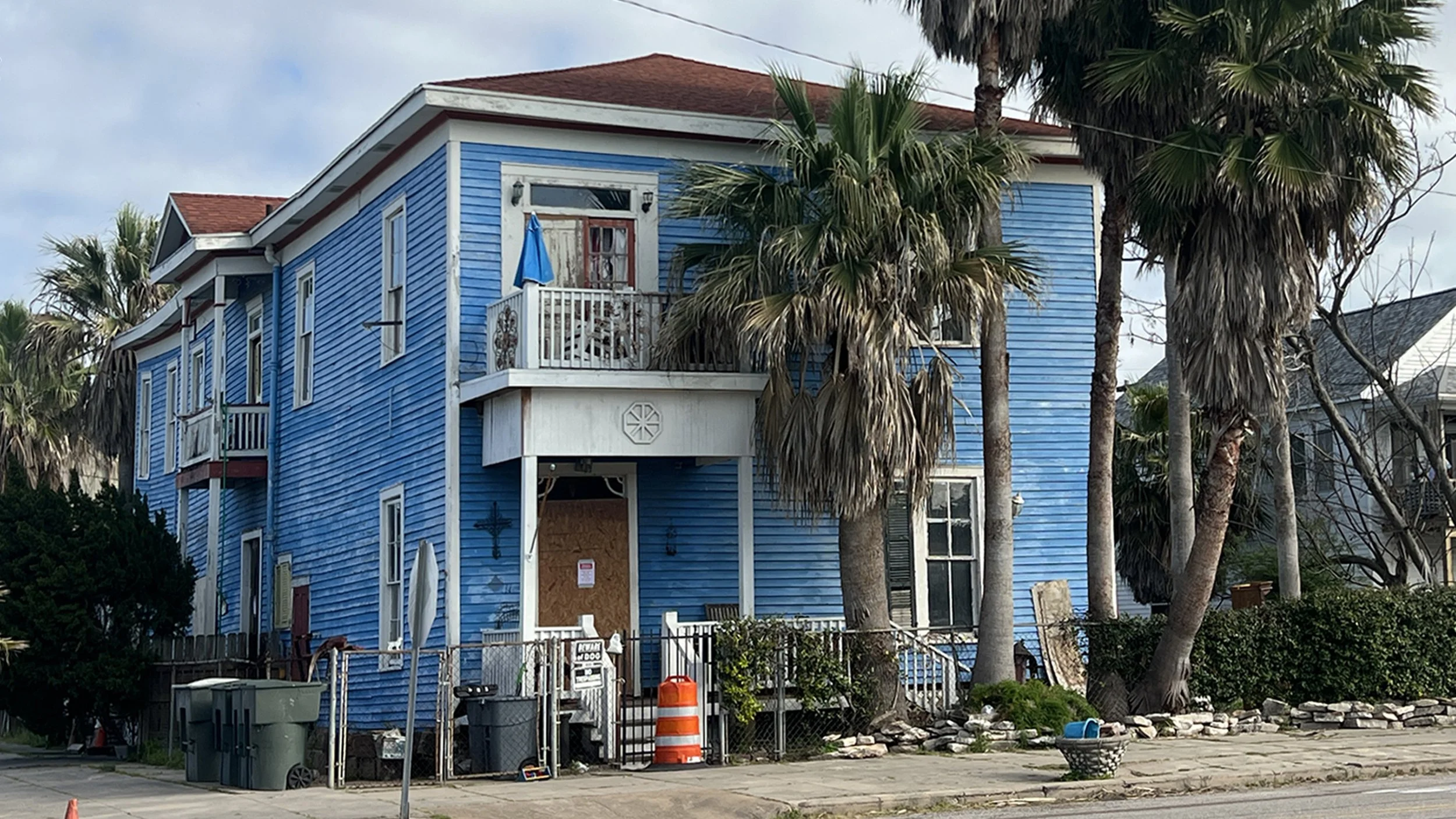
Before
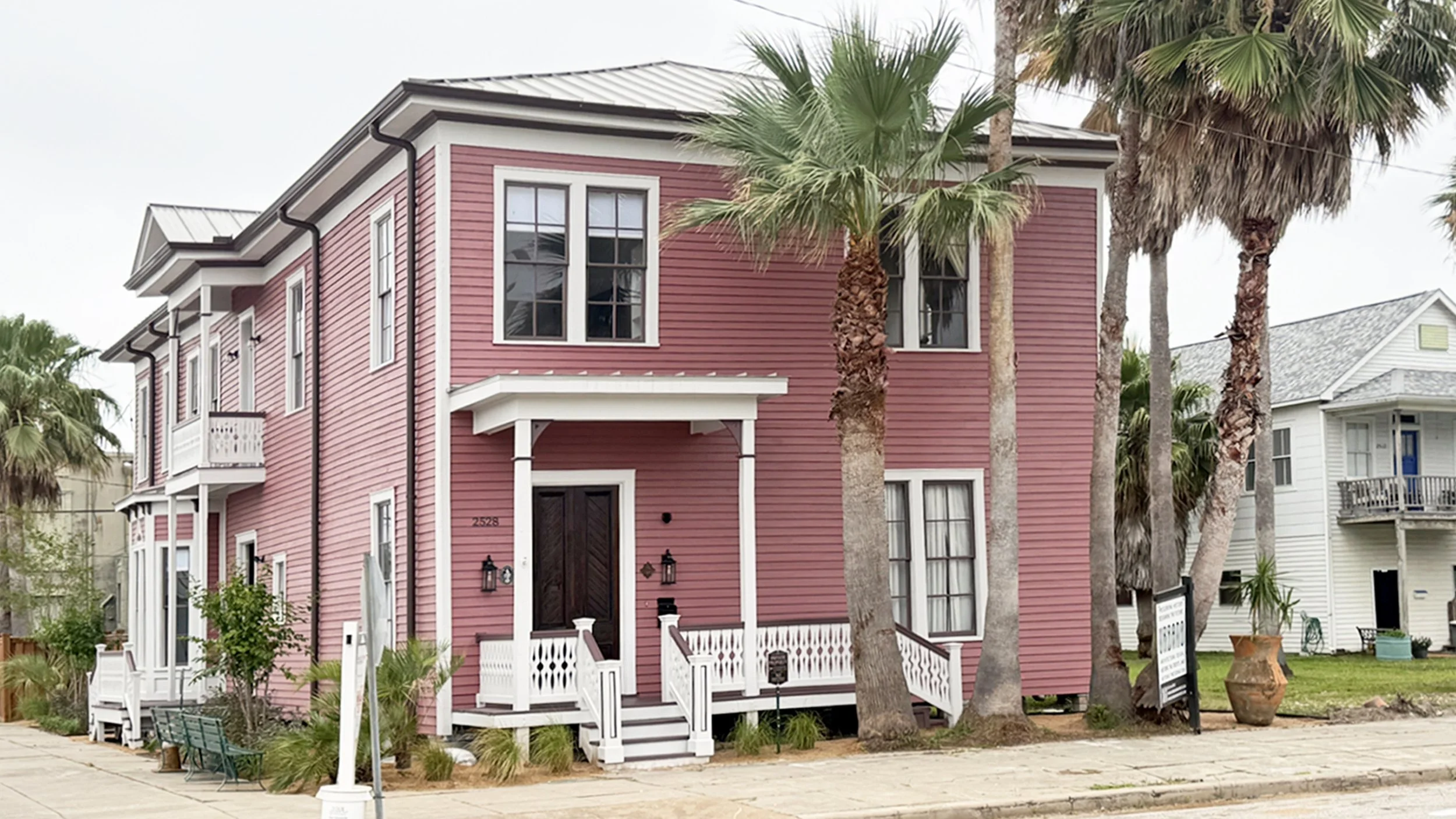
After
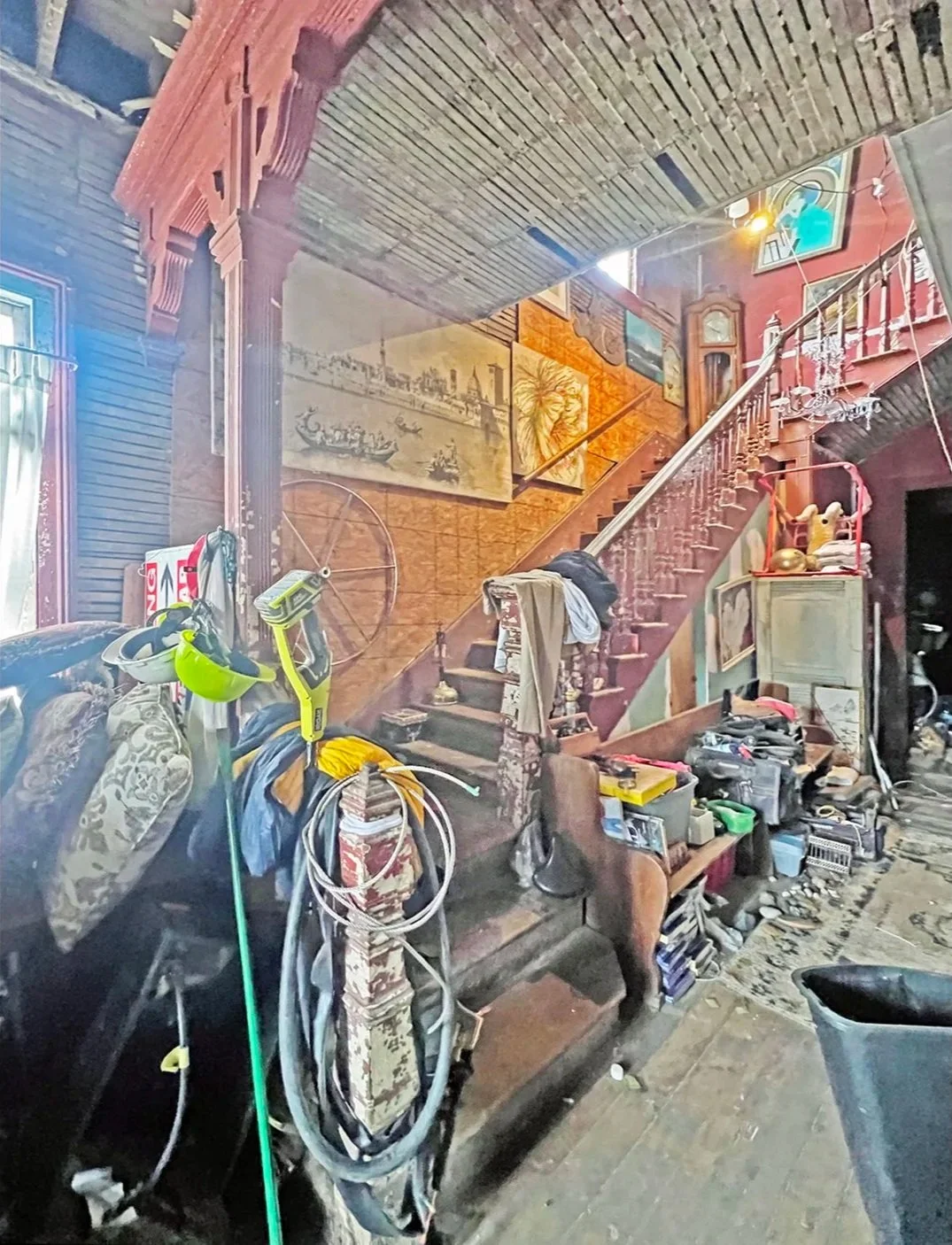
Before
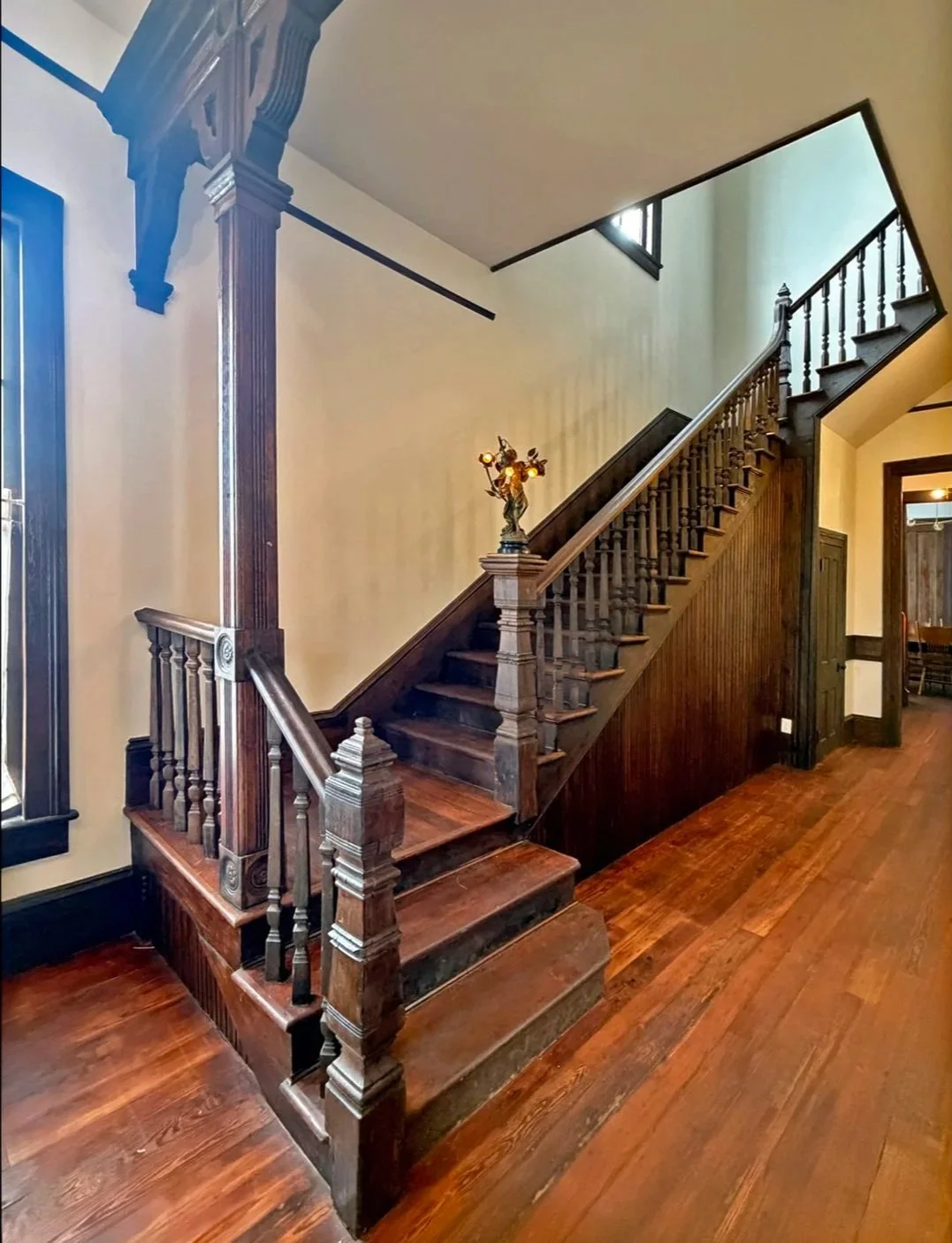
After
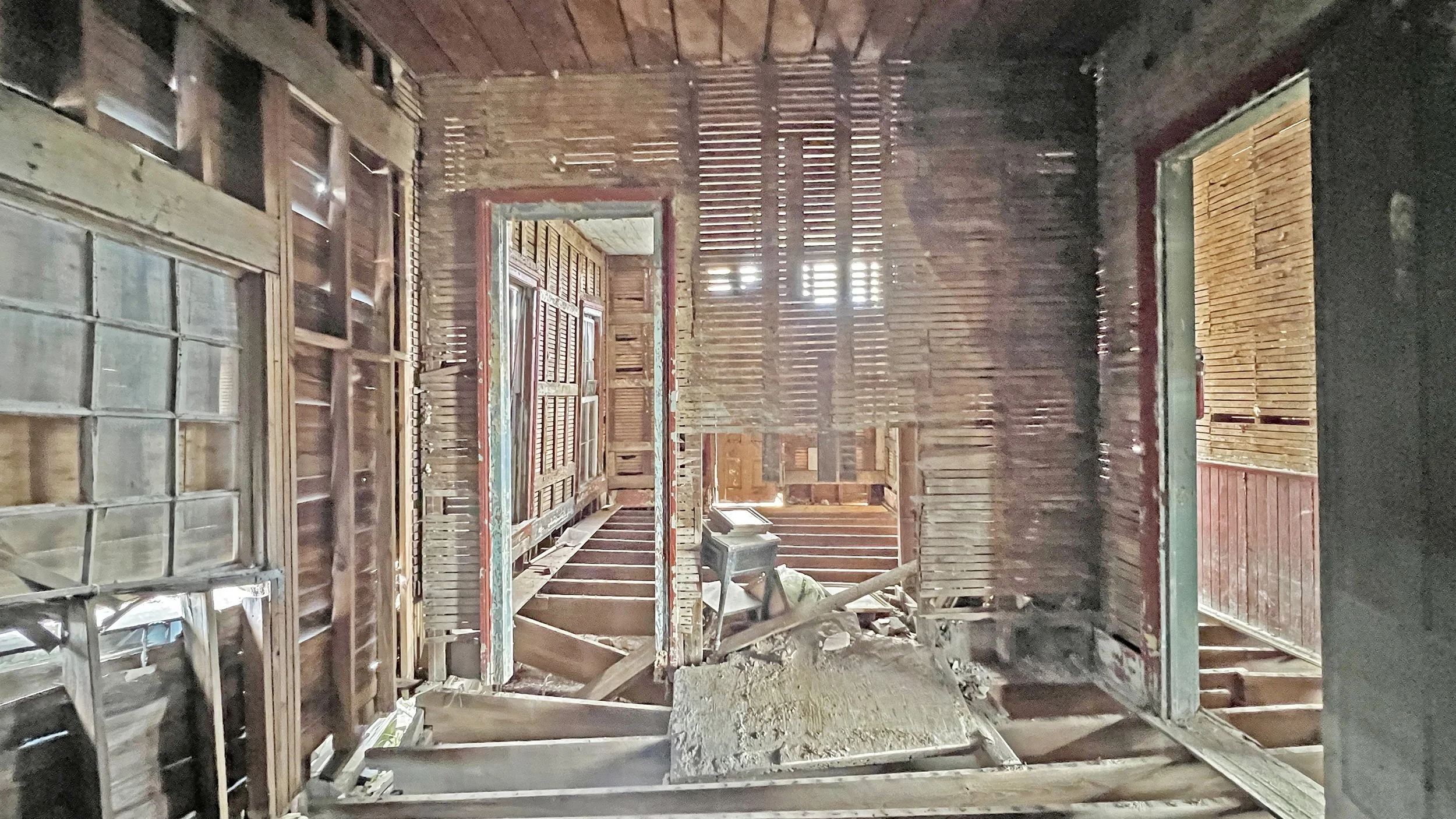
Before
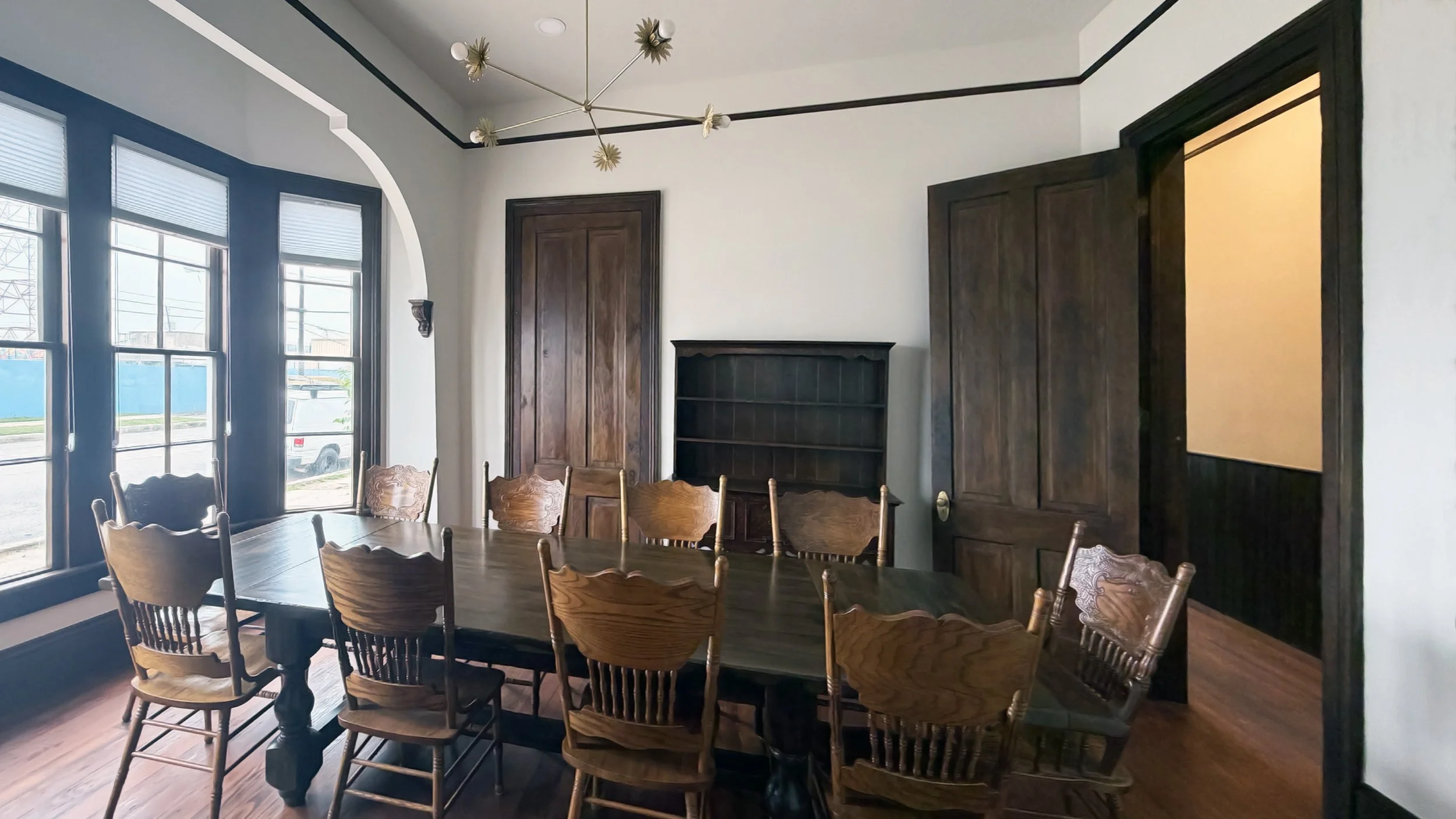
After
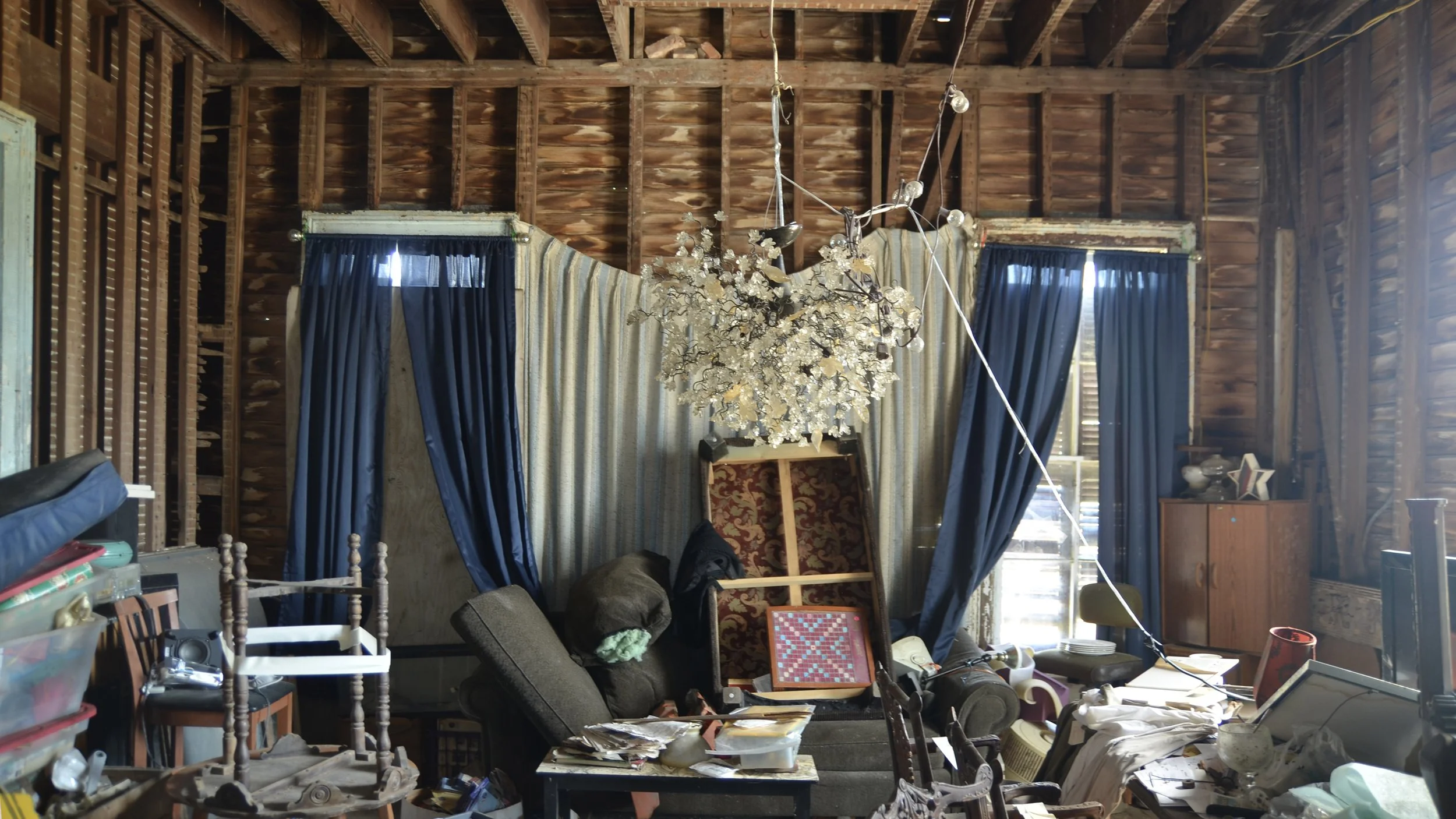
Before
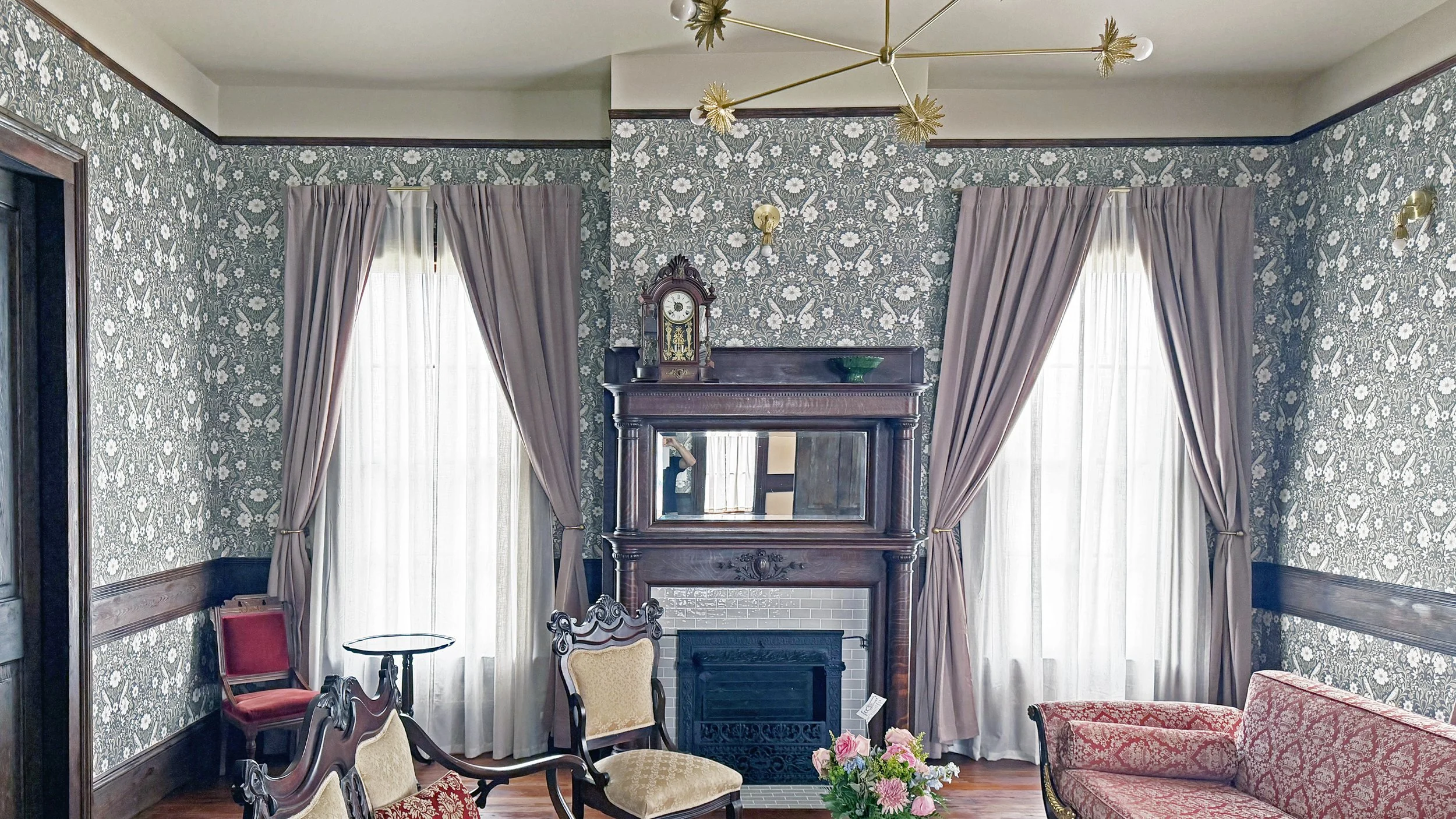
After
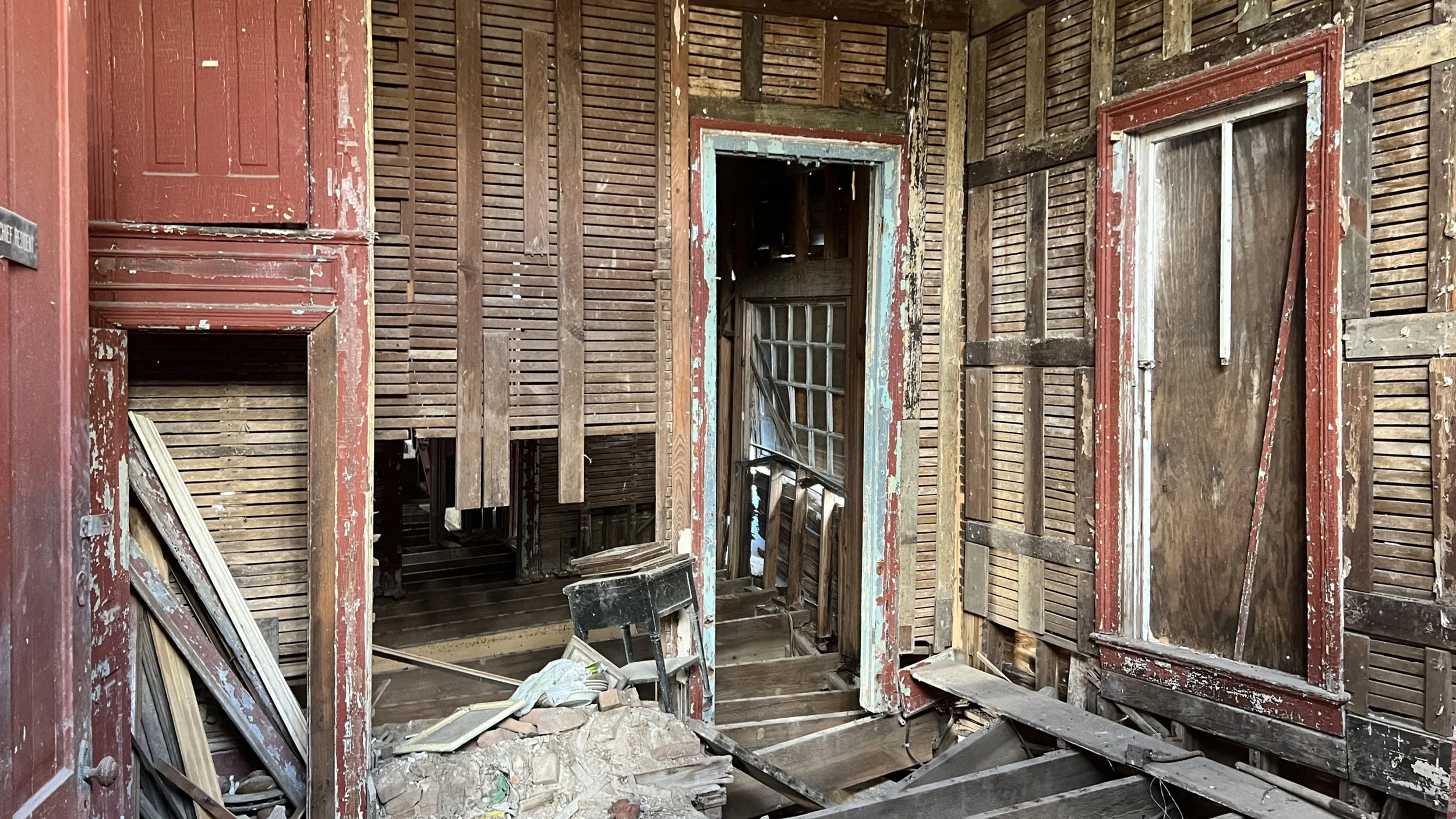
Before
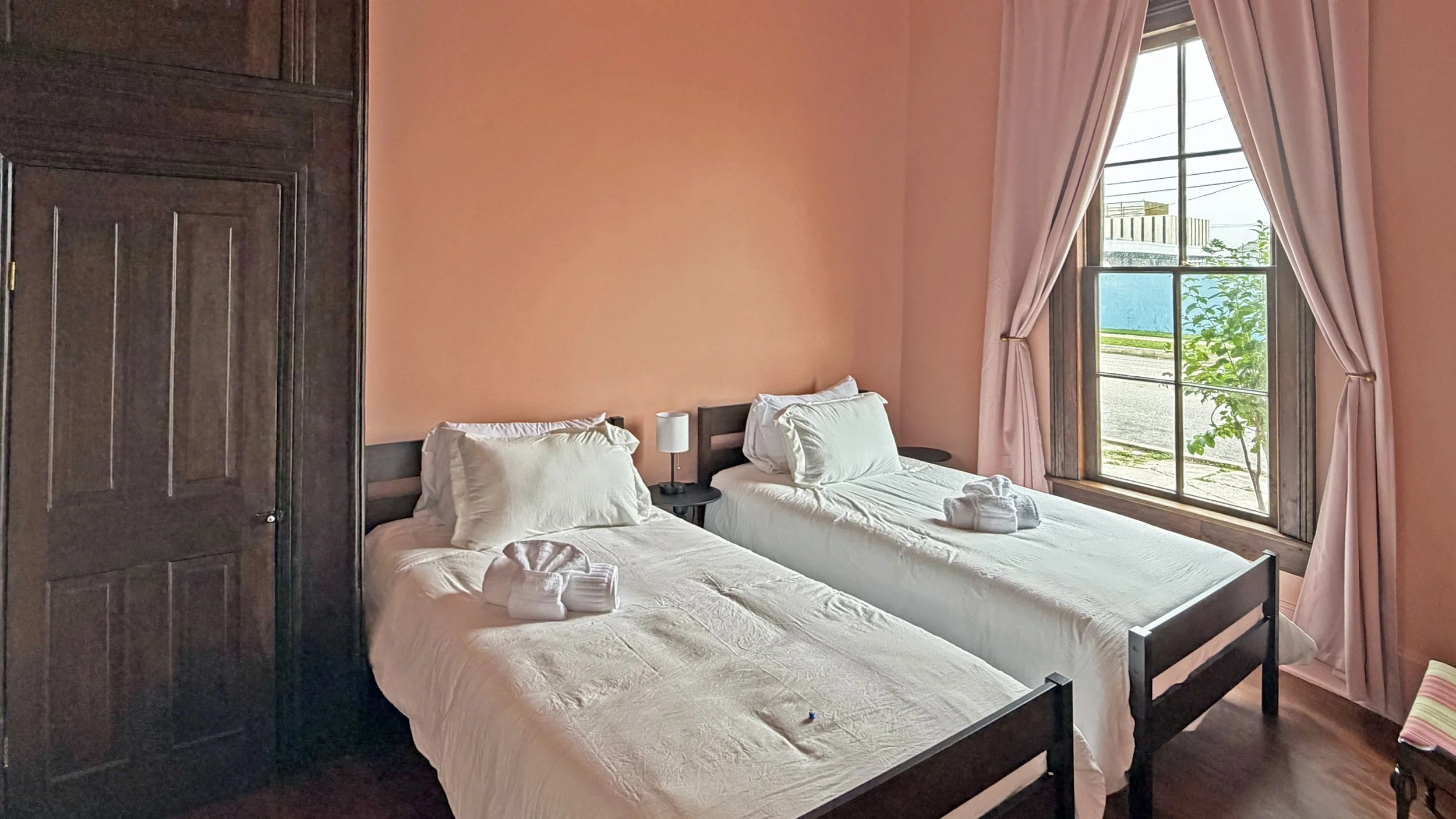
After
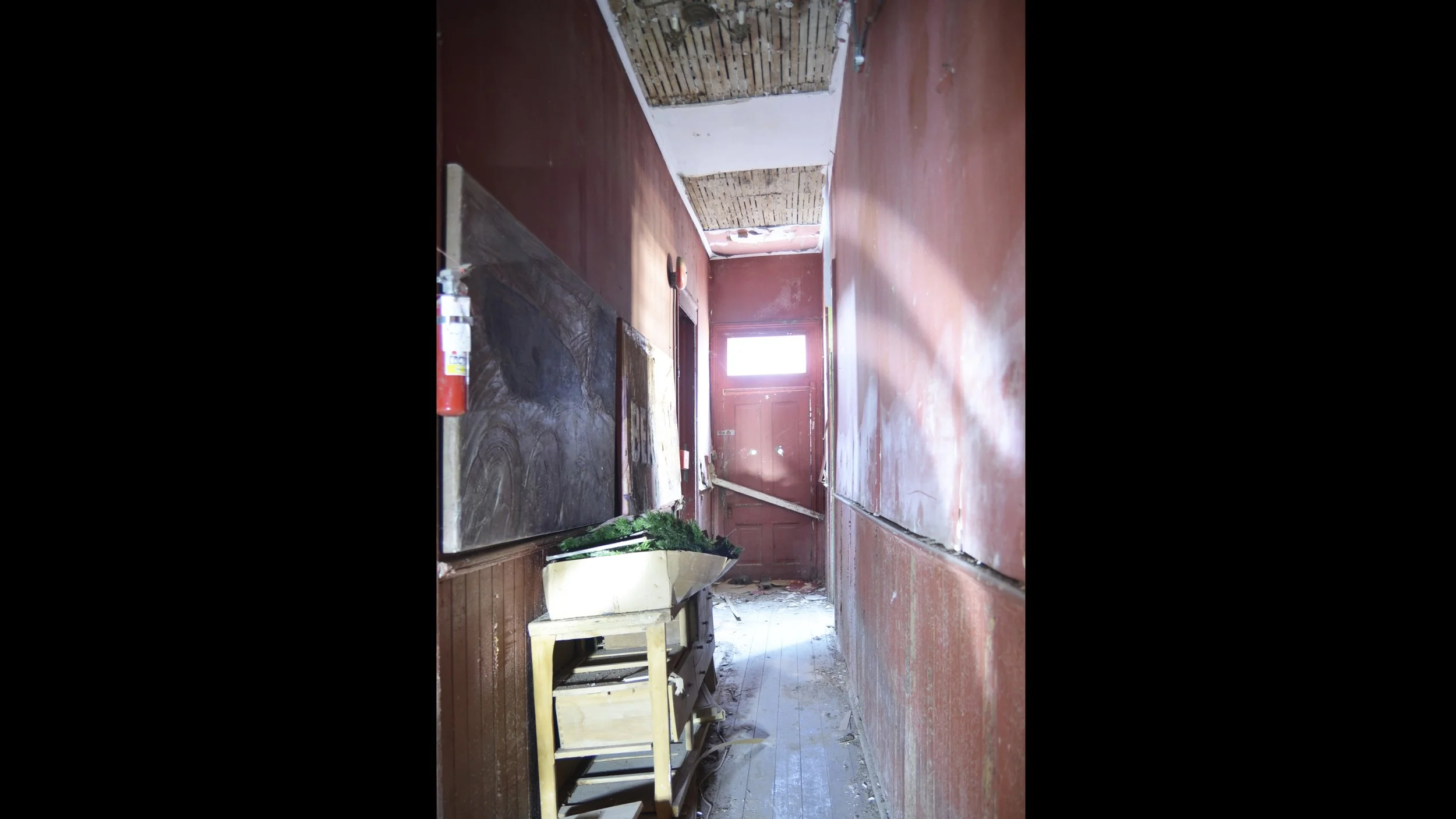
Before
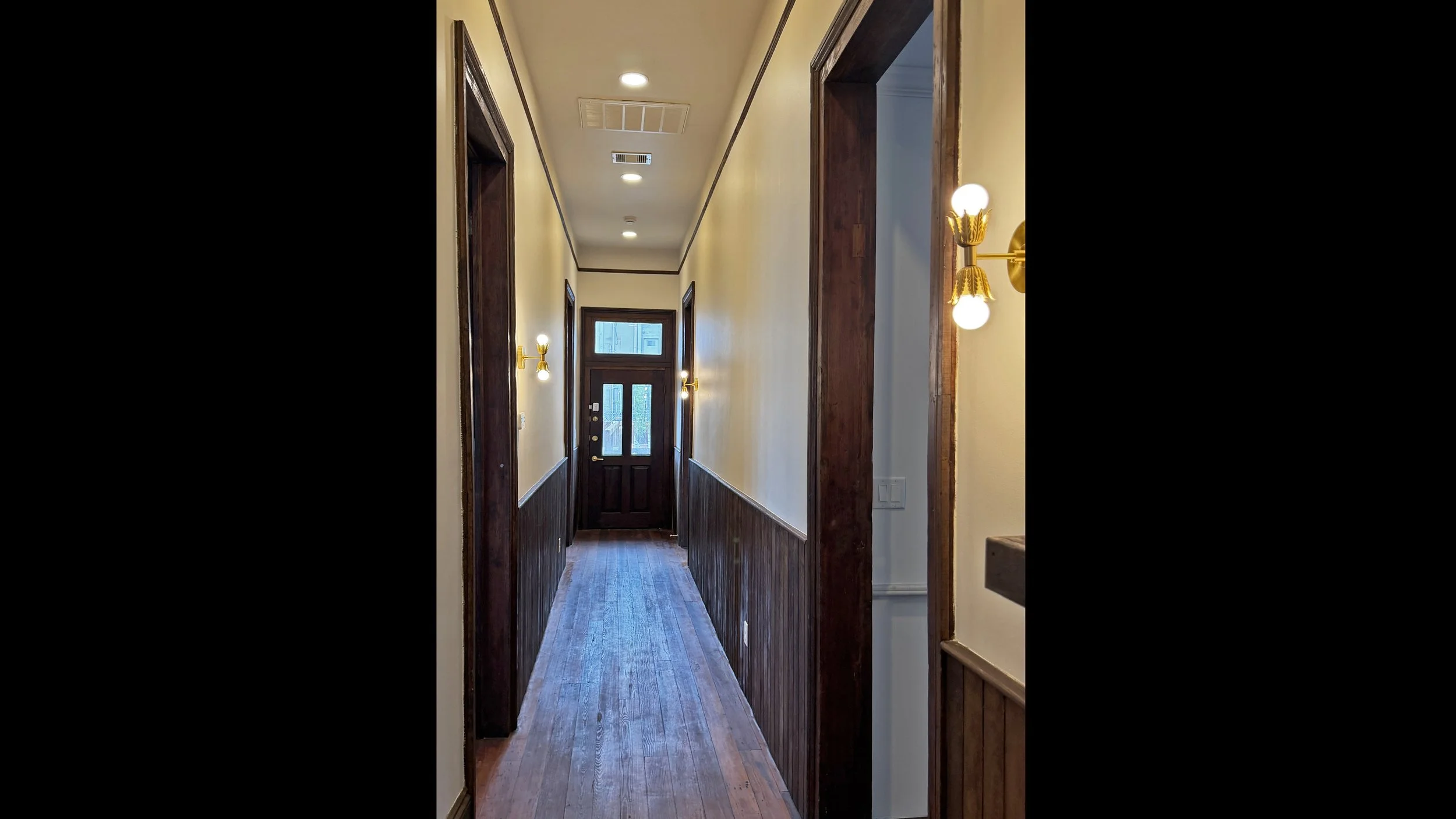
After
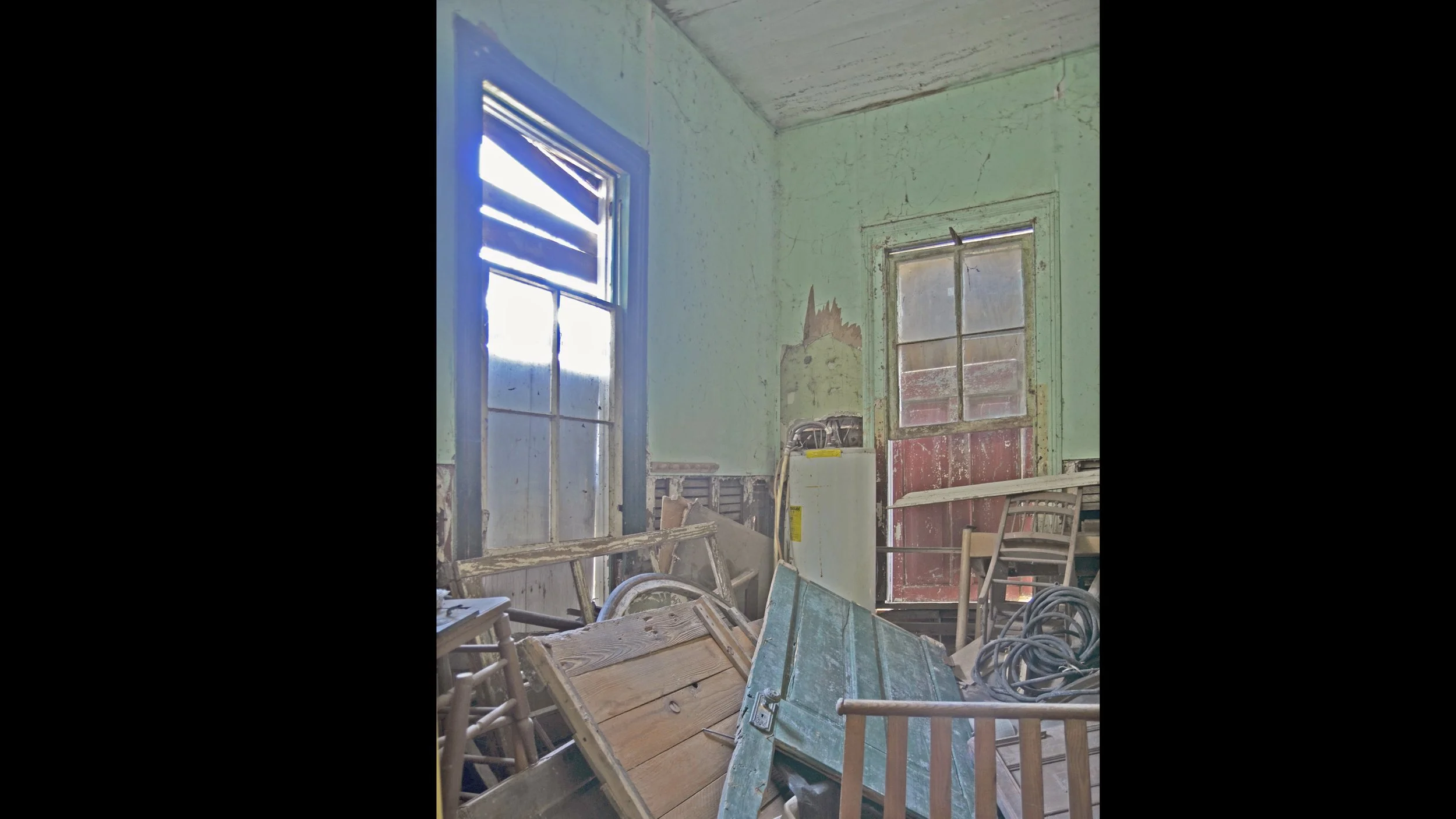
Before
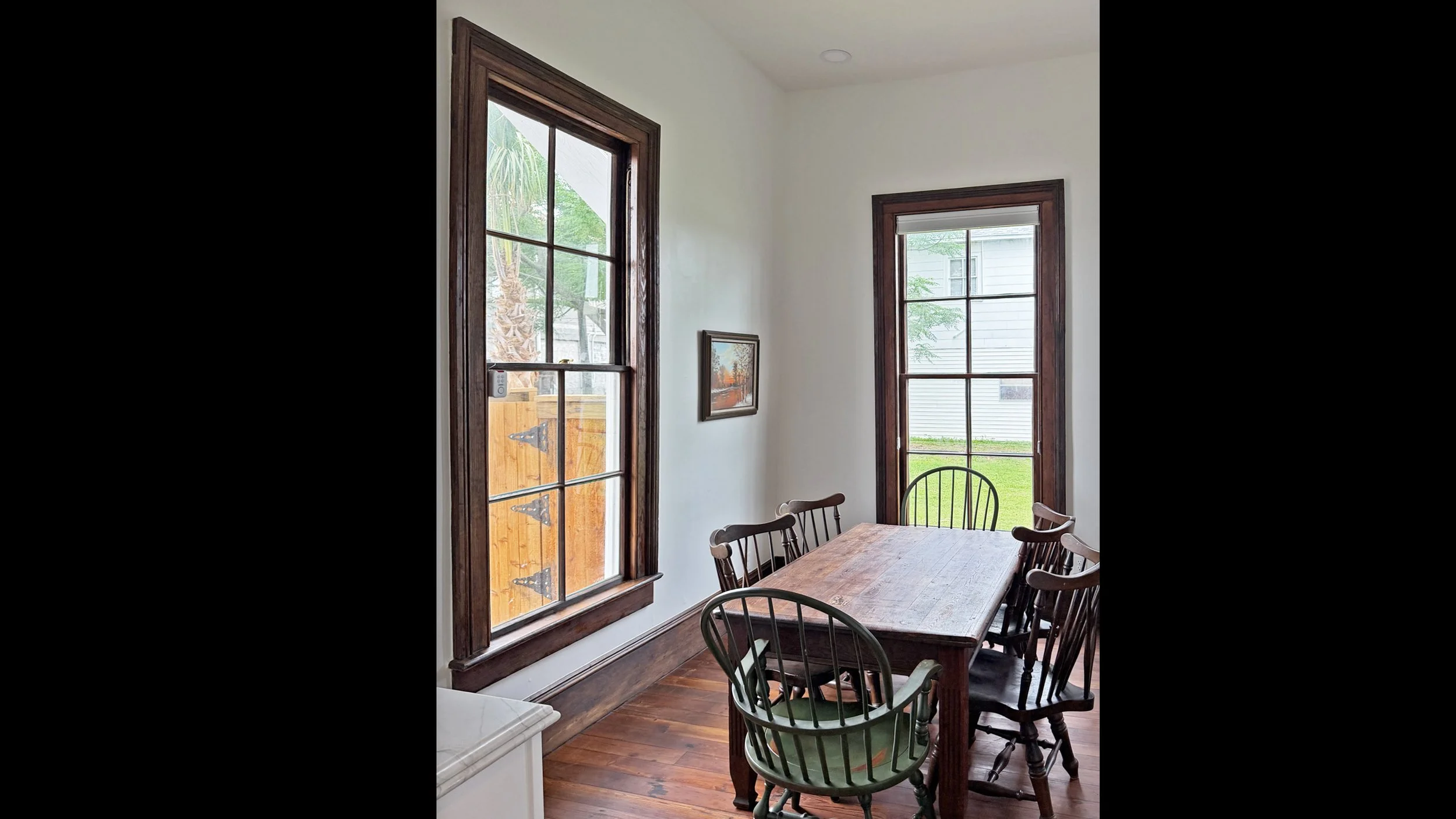
After
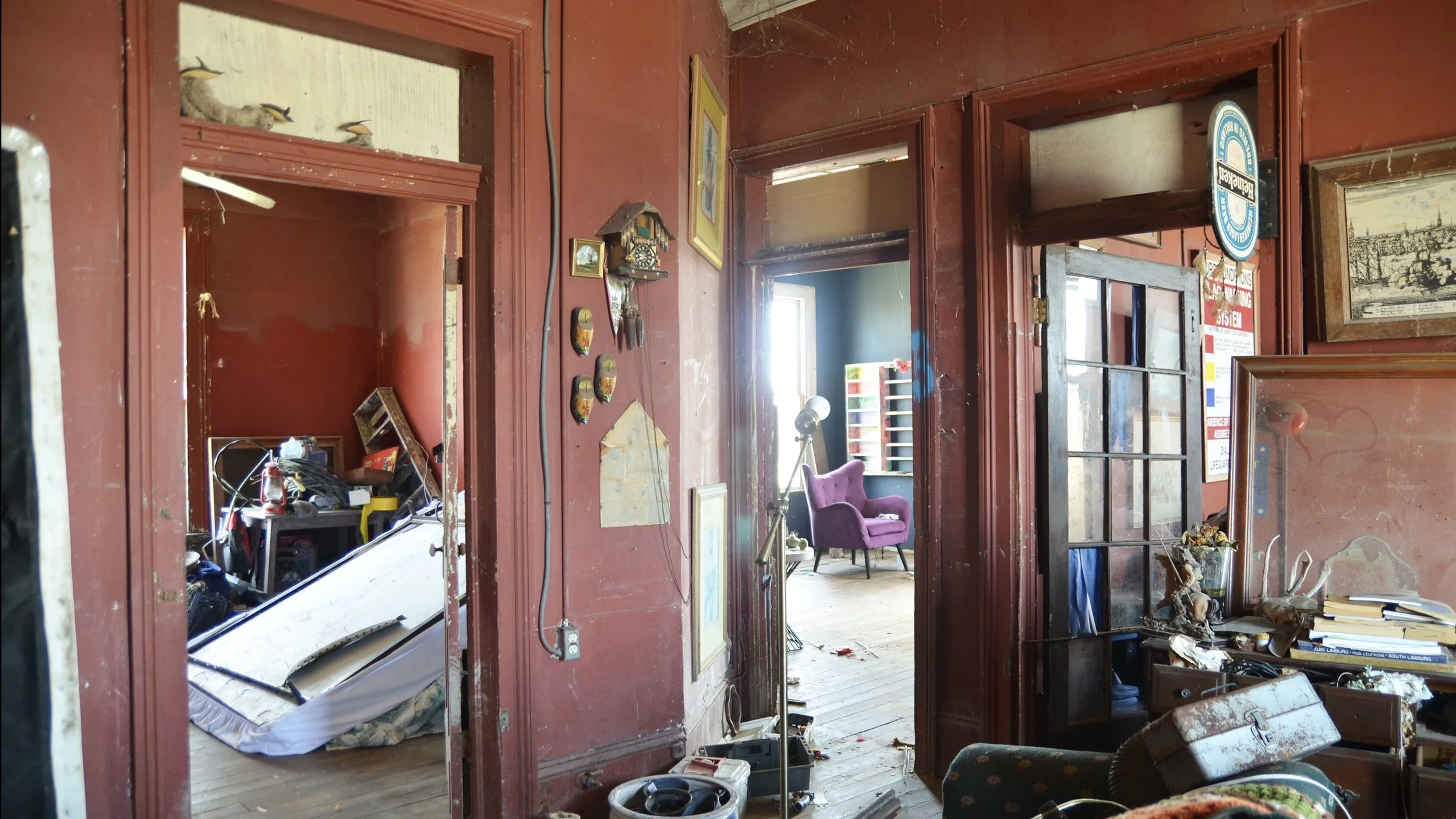
Before
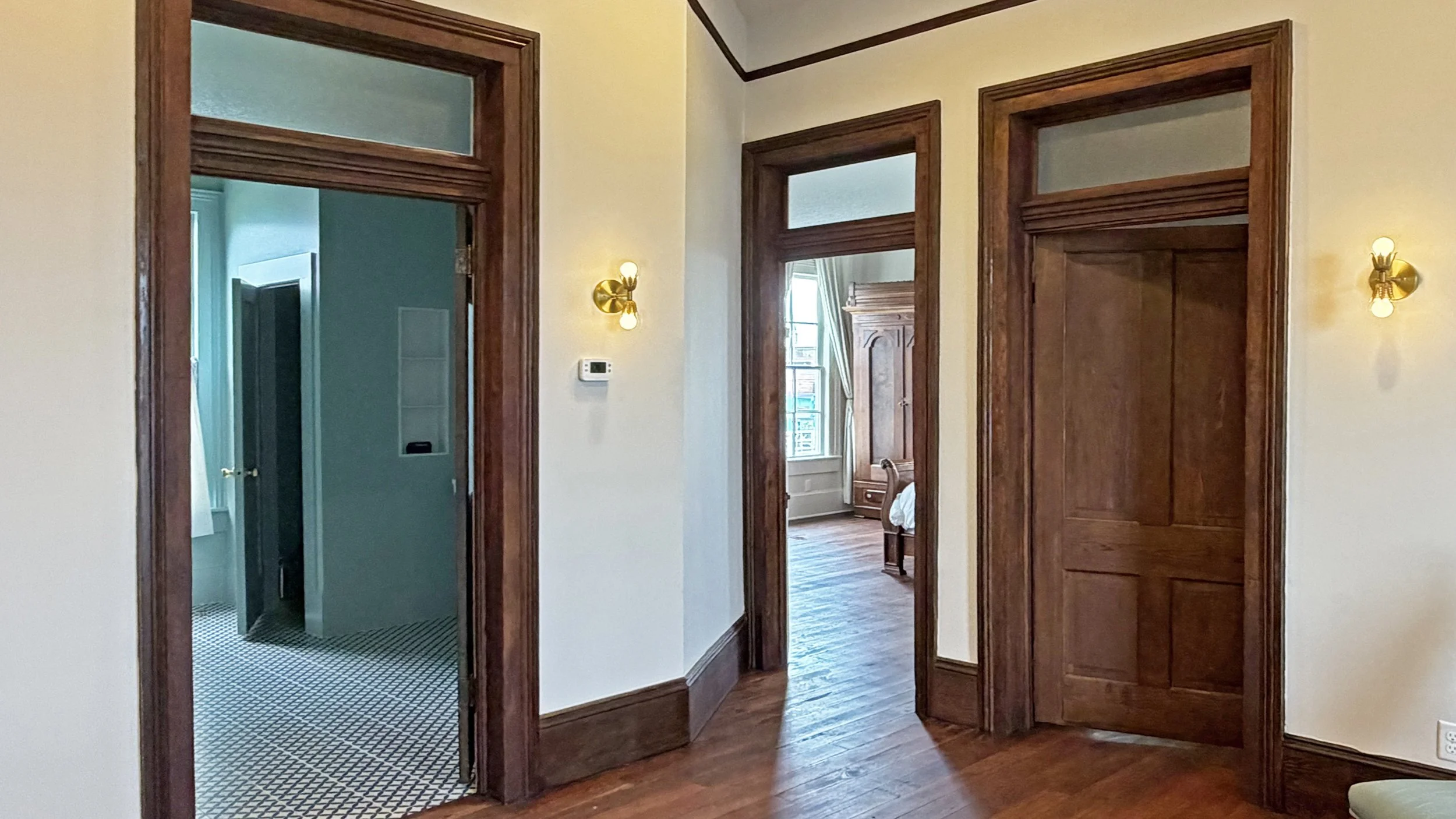
After
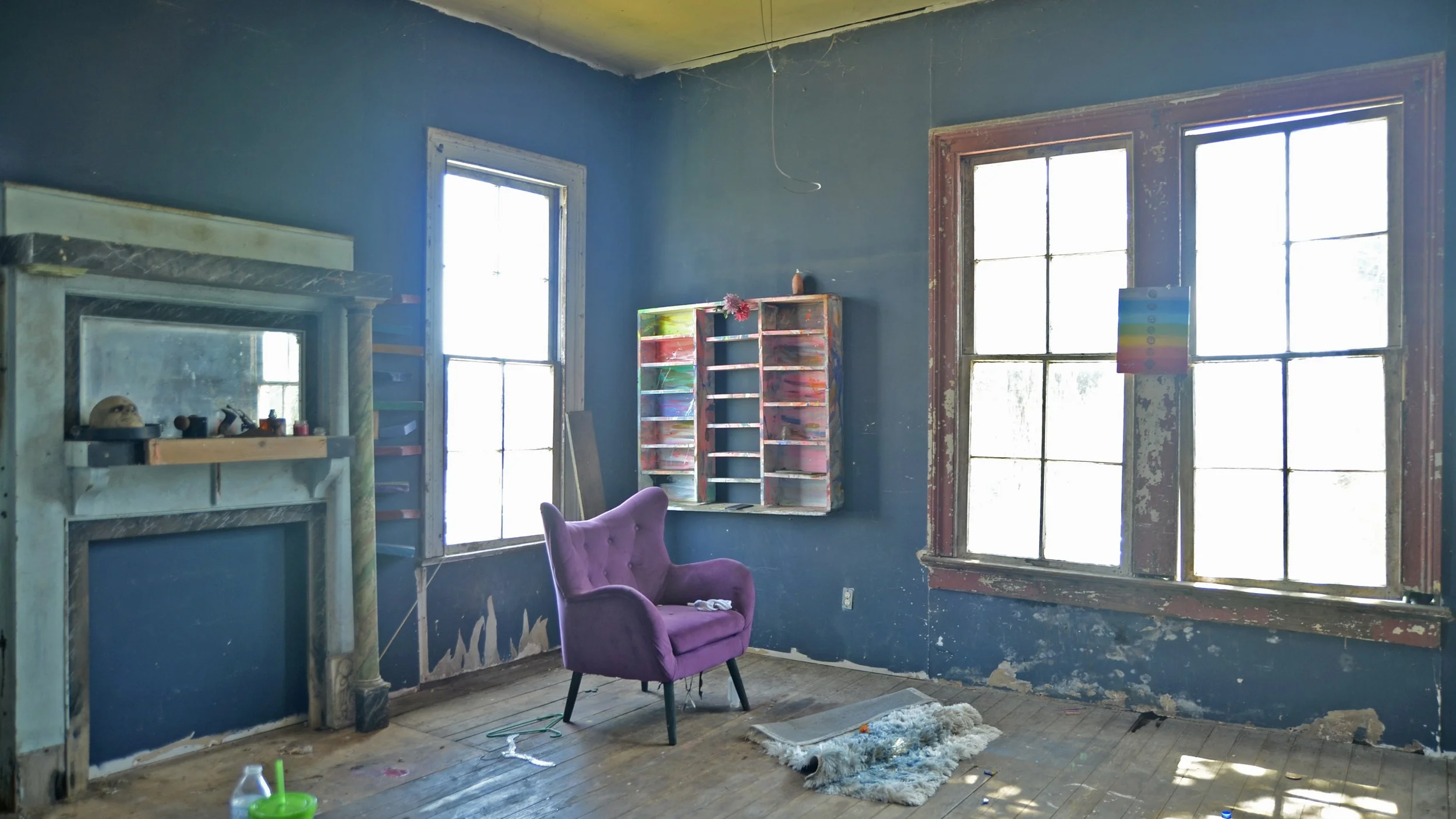
Before
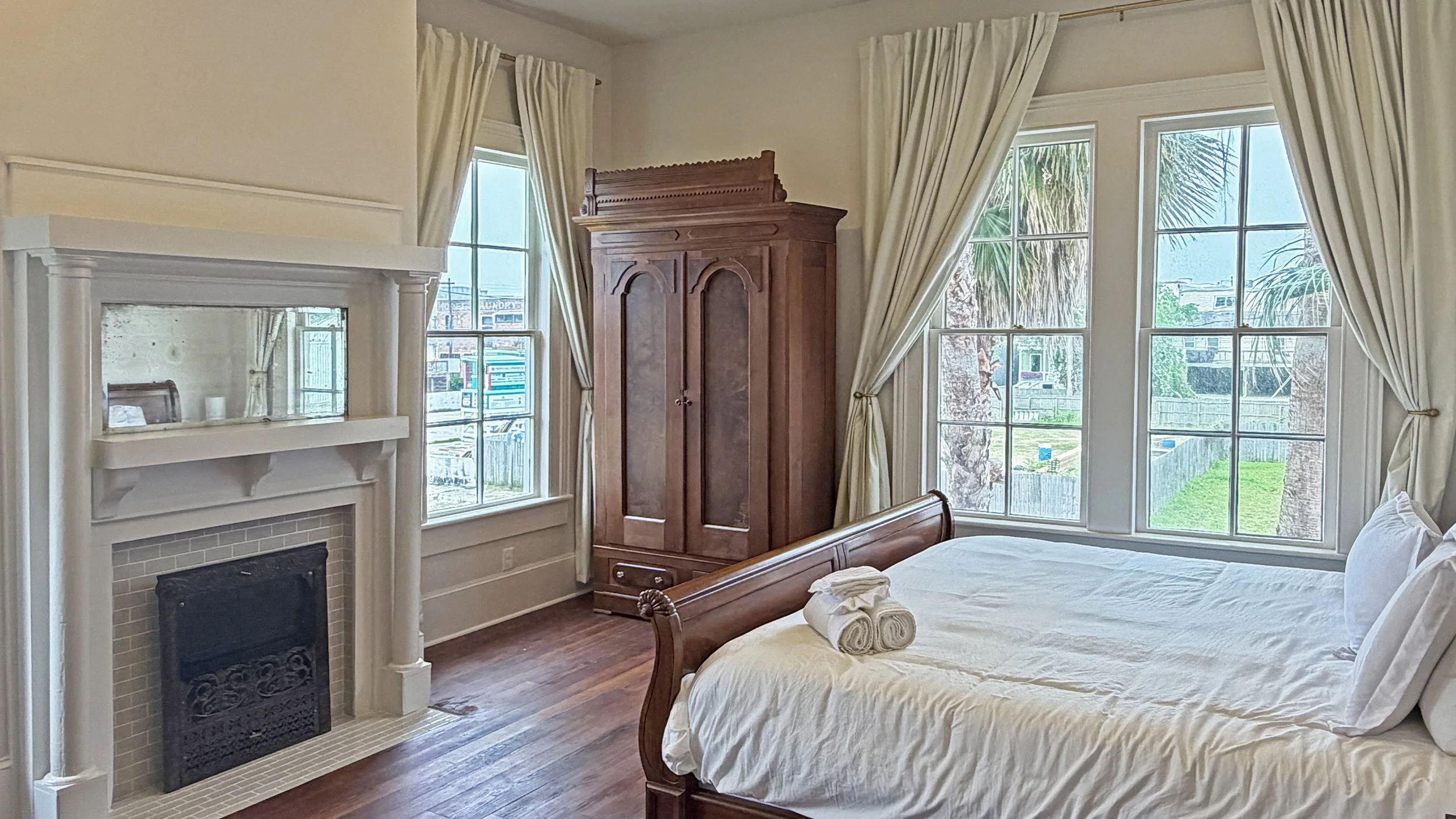
After
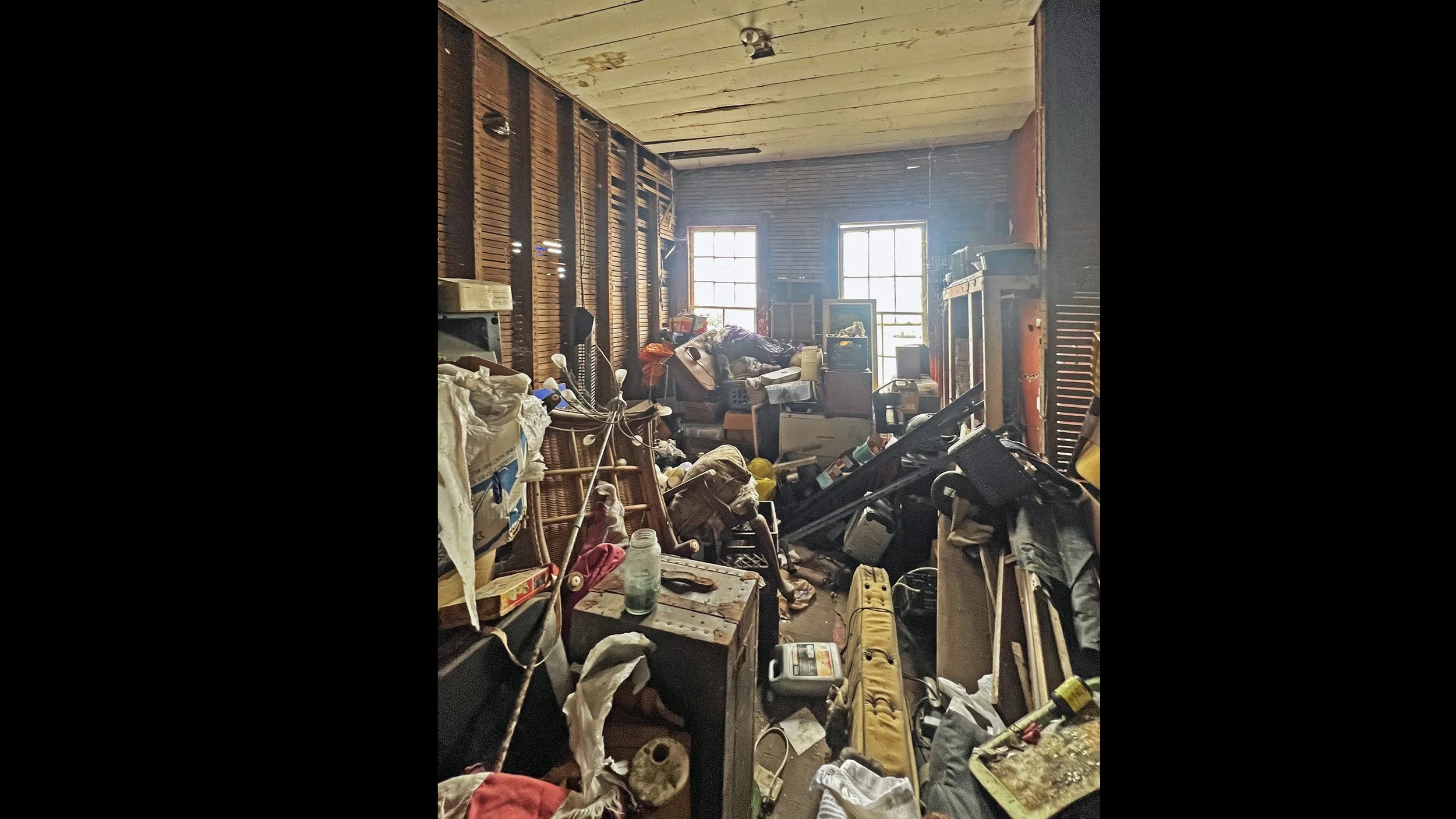
Before
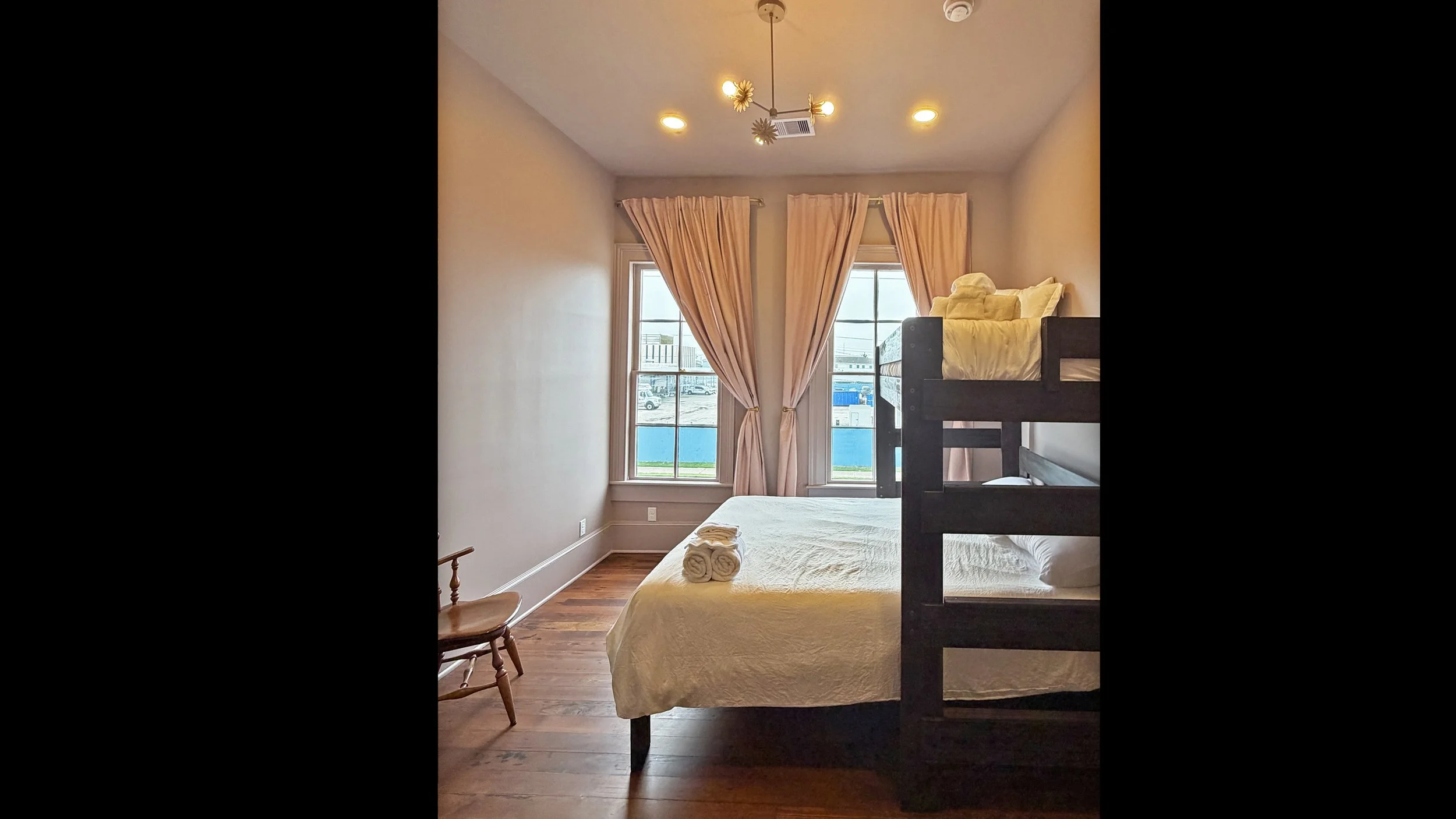
After
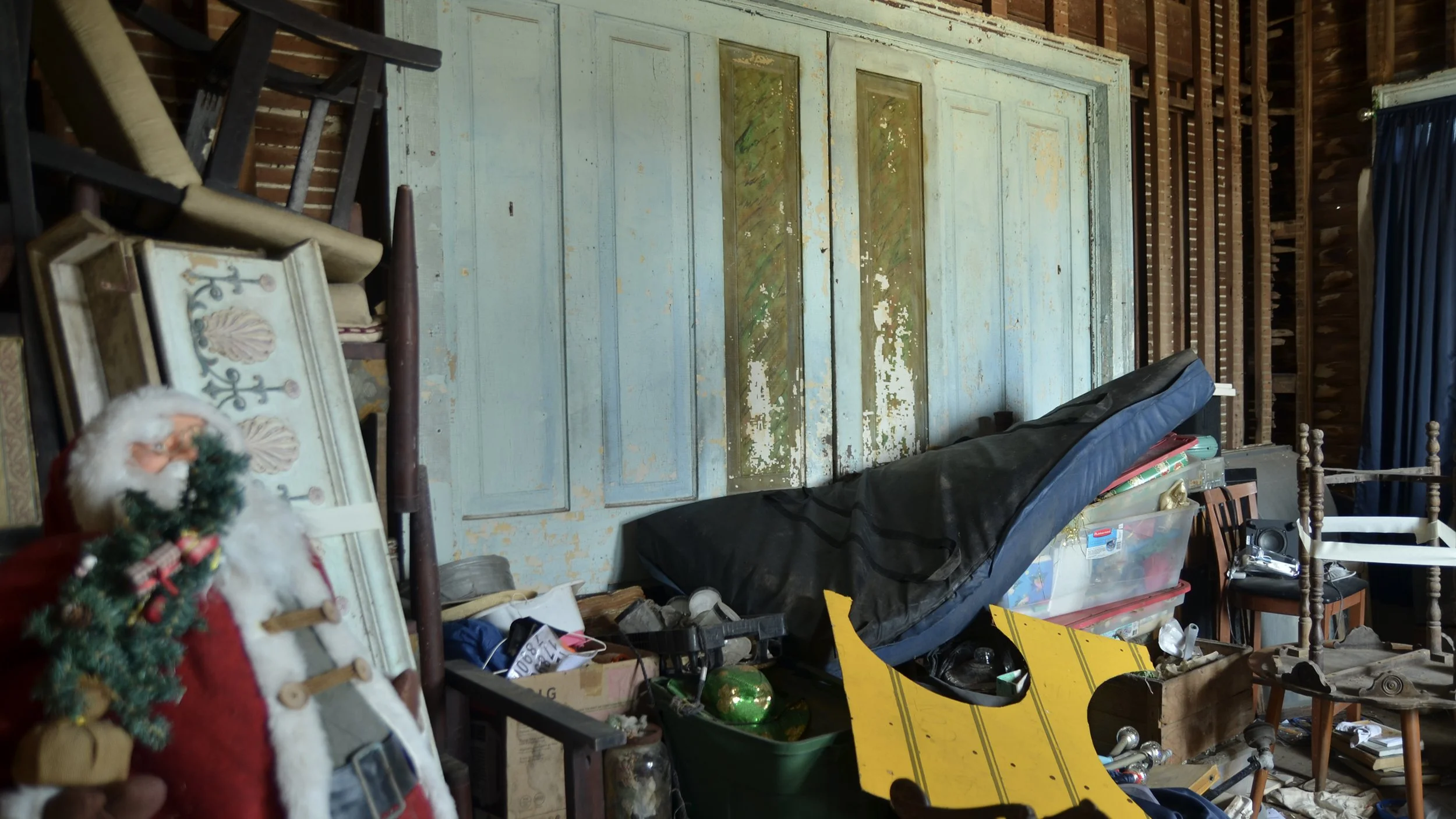
Before
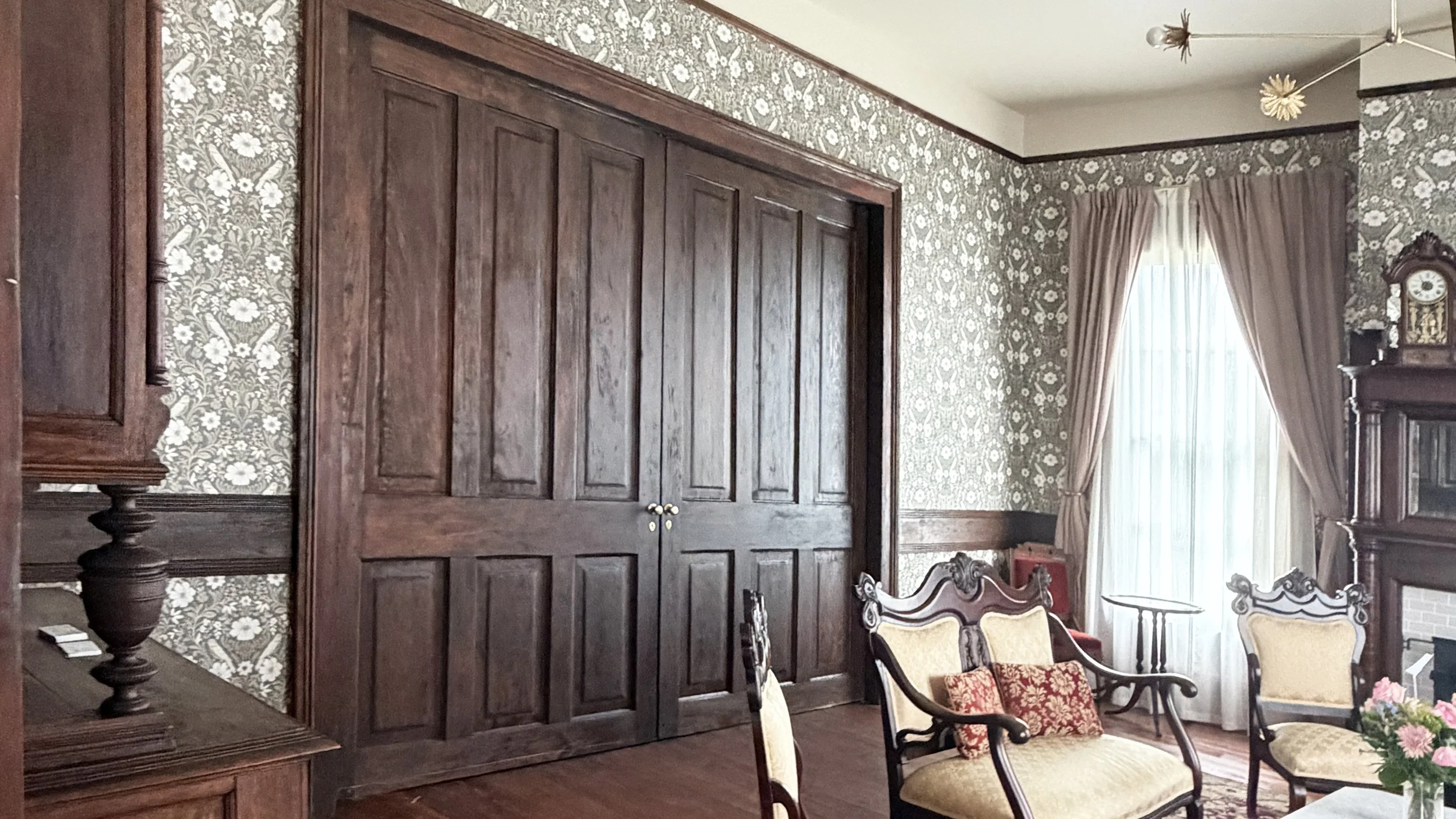
After
Before
After
Before
After
Before
After
Before
After
Before
After
Before
After
Before
After
Before
After
Before
After
Before
After
Before
After
Before
After
Before
After